Ever since we moved to South Korea, one destination kept coming up: Jeju Island. Known as the Island of the Gods, Jeju sits about 80 kilometers off the southern tip of the Korean peninsula and packs beaches, volcanic geology, UNESCO World Heritage caves, waterfalls, and theme parks into one compact island. When a long holiday weekend aligned, we booked flights for the whole family. Here is the full account of our four days.
Getting to Jeju from Seoul
The easiest way to get to Jeju from Seoul is by flying from Gimpo International Airport (GMP), which handles most domestic Korean flights. Take the AREX All Stop train from Seoul Station to Gimpo — about 45 minutes and around 3,800 won per person. Give yourself at least an hour before your flight as check-in lines can be long. We flew Air Busan for a total of 603,000 won for a family of five round trip. The flight itself is only 40 to 50 minutes — short, smooth, and very affordable.
Getting Around: Renting a Car
A rental car is essential on Jeju if you want to see the island properly. We booked through Sixt Rent a Car via Trazy.com, which provided excellent English-language booking and a well-priced vehicle. Important tip: rental car offices at Jeju Airport are not in the arrivals hall. After an hour of walking in the wrong direction, we discovered that the Sixt office required a short shuttle bus ride from the terminal. Look for rental car shuttle signs outside arrivals. Once in the car, we switched from the built-in GPS (which had constant alarms we could not mute) to Waze on our phones. The drive from the airport in the north down to Seogwipo on the south coast took about an hour through green countryside.
Where to Stay: Ocean Palace Hotel, Seogwipo
We stayed at Ocean Palace Hotel in Seogwipo on the southern coast. The hotel was very clean and designed more like mini-apartments than standard rooms — great for families. We would recommend it. Seogwipo puts you close to Cheonjiyeon Falls, the go-kart venues, and the best of the south coast. Our friends who joined us for the trip stayed nearby and we all met up at the hotel on arrival.
Day 1: Arrival, Rain, and Korean BBQ
The plan for Day 1 was ambitious. The execution was humbling. Rain started the moment we arrived in Seogwipo. The planetarium near the hotel was closed. Other options were not viable in the weather. Once the rain eased, we walked around the local area trying to find something everyone could agree on for dinner. Being on a seafood-focused island coast, most restaurants leaned heavily toward the ocean. Nobody wanted seafood after a travel day.
We settled on Korean BBQ, which is almost always the right answer in Korea. Exhausted after a full travel day, everyone turned in early. Day 2 was going to be bigger.
Day 2: Hello Kitty World, a Shooting Range, and a Fog-Filled Planetarium Search
Sunday started with rain again. After breakfast, the two families split by interest. The girls headed to Hello Kitty World while the boys went to a nearby indoor shooting range.
Hello Kitty World cost about 12,000 won per person and spans multiple floors of themed displays, a Sanrio character history exhibit, hologram rooms, a kids rope obstacle course, and the Hello Kitty Cafe. A three-foot-tall Hello Kitty doll near the entrance was priced at 360,000 won. We admired it and moved on. It is fun for young kids and fans but two to three hours is plenty.
At the shooting range, David and Gabe tried the pellet guns (available for kids) and handguns. The handguns were mounted on cables, which limited aiming and took some of the fun out of it. An experience worth trying, but not a highlight of the trip.
In the afternoon we searched for the planetarium we had been calling without success. The search took us through fog-covered narrow roads that felt like a scene from a horror film. We found the building, crossed carefully, walked up the driveway, and discovered it was fully closed. We headed back to the hotel. Sometimes a failed mission makes a good story.
Day 3: Waterfalls, Caves, and the Best Accidental Beach
Day 3 was the richest day of the trip and included one completely unplanned stop that ended up being the highlight of the whole four days.
Cheonjiyeon Falls
Our first stop was Cheonjiyeon Falls, a stunning waterfall set inside a lush subtropical gorge. The sound of the water builds as you walk toward it, and when the falls came into view the reaction was unanimous: everyone stopped talking. It was stunning. The area gets crowded at the main photo spot, so arrive early if you can. On the way back we stopped at shops selling Jeju chocolates, oranges, and handcrafted items at reasonable prices.
Go-Karts and Horseback Riding
The second stop was a combined go-kart and horseback riding venue. The go-karts worked, though seatbelts did not tighten properly and foam pads were used as a substitute. Lily got scared and we cut the session short. The horseback riding was more disappointing: the horses looked tired and underfed. We did not stay long.
Aqua Planet Jeju
Aqua Planet Jeju on the eastern coast was excellent — large, well-maintained, with impressive exhibits, a live acrobatic show, and good food. The standout moment for the kids was a fish bottle-feeding room. You go in not knowing what to expect and then the sucking noise of dozens of competing fish hits you all at once. Strange, loud, and completely wonderful. Worth the entry price by itself.
Manjanggul Cave (UNESCO World Heritage Site)
We had originally planned to hike Seongsan Ilchulbong but the crowds, stairs, and summer heat convinced us to change course. We drove to Manjanggul Cave instead, one of the world’s finest lava tube systems and a UNESCO World Heritage Site. A stone staircase leads down into the cave and the temperature drops immediately. Inside, the tube is far larger than you expect. The walls show where lava once flowed and dripped before hardening. The accessible section runs about one kilometer to a massive lava column, then back. Budget an hour minimum. David photographed everything, which stretched our time considerably.
The Hermit Crab Beach
After Manjanggul, we fulfilled the one request the kids had made all trip: a beach. We found the closest one to the cave and pulled over. They found a warm bay nearby and called me over excitedly. The water was full of hermit crabs. Within minutes we were all wading in the shallows collecting hermit crabs together. Completely unplanned, entirely free, and the best thing we did on the whole trip. No hermit crabs were harmed.
Day 4: Kayaking, Hallim Park, and a Sprint to the Airport
With a flight back to Seoul in the afternoon, Day 4 was about fitting in a few more stops without missing the plane.
David had found a kayaking theme park and was determined to visit. The kayaking portion was genuinely fun. The rest of the park, including a maze made of knee-high bushes, was underwhelming. We finished in under an hour.
Hallim Park on the western coast was our last stop — a large botanical and cultural park with lava caves, gardens, and a folk village. We did not realize how big it was until we were inside. With limited time we rushed through the main highlights, skipped the folk village, and did a quick pass through the caves (smaller than Manjanggul, naturally). David still found time to photograph everything. We eventually ran back to the car, dropped off the rental, and sprinted to check-in. We made the flight with minutes to spare.
Practical Tips for Visiting Jeju
Rent a car. There is no other practical way to explore the island’s scattered highlights. Book through Trazy.com for competitive English-language booking. Bring an international driving permit if you are not a Korean resident.
Visit in spring or fall. Summer is hot, humid, and crowded. April through early June and September through October offer far more comfortable conditions for outdoor activities.
Plan more than four days. We missed Hallasan volcano, the haenyeo diving demonstrations, most of the beaches, and much more. A week gives you room to breathe. If you only have four days, prioritize Manjanggul Cave, Cheonjiyeon Falls, and Aqua Planet.
Book Aqua Planet in advance. It sells out on busy weekends. Buy tickets on the English-language site before your visit.
Pack for rain. Jeju is an island and gets precipitation year-round. We had rain on two of our four days. Light rain jackets and waterproof shoes are worth having for any outdoor excursions.
Jeju lived up to every recommendation we received. Even with the closed planetarium, the heat, and the short timeline, it was one of our favorite family trips in Korea. We are already planning to go back.
What Makes Jeju Different
Jeju is not just another Korean destination. The island has a distinct culture, its own regional dialect, and a landscape unlike anywhere else in the country. It was formed by volcanic activity and sits on a basalt foundation, which is why you find massive lava tube caves like Manjanggul, the striking black rock coastlines, and Hallasan — South Korea’s highest peak — rising from the center of the island. Jeju was designated a UNESCO World Natural Heritage Site in 2007 and was voted one of the New Seven Wonders of Nature in 2011. That is not just tourism marketing. The island genuinely earns those labels.
Jeju is also famous for its haenyeo, the free-diving women who have harvested seafood from the island’s waters for generations. Many are in their 60s, 70s, and 80s and still dive without oxygen. The tradition is recognized by UNESCO as Intangible Cultural Heritage. We did not get to see a haenyeo demonstration on this trip, but it is high on the list for our return visit.
What We Missed and Would Do Differently
Four days on Jeju sounds like plenty until you are there. Here is the list of what we genuinely wish we had made time for:
- Hallasan National Park — the volcano at the center of the island with multiple hiking trails. The Eorimok trail to the crater takes about 5 hours round trip. Stunning in any season.
- Seongsan Ilchulbong — we pulled up, saw the stairs in the August heat, and drove away. Next time we are going first thing in the morning on the coolest day of the trip.
- Haenyeo demonstration — you can watch the female free-divers at several spots around the island, often for free. The Seogwipo area near our hotel had regular sessions we never found time for.
- Jeju’s beaches — Hamdeok Beach on the north coast and Hyeopjae Beach on the west are considered some of the most beautiful in Korea. We found an accidental beach with hermit crabs which was wonderful, but the famous beaches deserve a dedicated visit.
- Hallim Park (properly) — we rushed through on Day 4 with a flight looming. The folk village alone justifies a return visit when you have more than 45 minutes.
The honest summary: Jeju is a full week’s vacation, not a long weekend. We packed in a lot and still only saw a fraction of it. The island’s combination of natural scenery, cultural heritage, kid-friendly attractions, and great food makes it one of the best family destinations in East Asia. If you are living in Korea or transiting through Seoul, even a four-day trip like ours is worth every hour of the scramble to make it happen.
Is Jeju Worth It from Seoul?
Without question. The flight from Seoul takes under an hour, and the price difference from mainland Korea to Jeju is one of the most affordable domestic hops in Asia. As expats living in Seoul, we initially put Jeju off thinking we should use our limited vacation time on international destinations. That was a mistake. Jeju is legitimately different from anything else you will experience in Korea. The landscape, the culture, the pace — it all feels like stepping into another world while remaining comfortably accessible.
If you are based in Korea, even a long weekend trip to Jeju is worth the effort. If you are visiting Korea from overseas, consider tacking on two or three days in Jeju at the end of your Seoul trip — flights from Gimpo or Incheon connect easily, and the island rounds out a Korea trip in a way that no amount of additional time in Seoul can replicate. Jeju has mountains, beaches, caves, history, incredible food, and a warmth that is all its own.
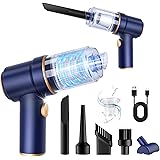
KMM Handheld Car Vacuum Cleaner, Hand Held Vacuum Cleaner and Air Duster | 9000PA Strong Suction, Cordless, 120W High Power, Multi-Nozzles & LED Light, for Home, Car, Office, Pet
$22.43 (as of October 21, 2026 17:49 GMT -08:00 - More infoProduct prices and availability are accurate as of the date/time indicated and are subject to change. Any price and availability information displayed on [relevant Amazon Site(s), as applicable] at the time of purchase will apply to the purchase of this product.)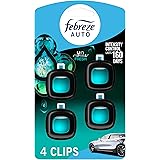
Febreze Car Air Freshener, Odor-Fighting Automotive Vent Clip, Scented Car Accessories, Long Lasting for Strong Odors, Unstopables Fresh Scent, .07 fl oz, 4 Count
$11.99 (as of October 21, 2026 17:49 GMT -08:00 - More infoProduct prices and availability are accurate as of the date/time indicated and are subject to change. Any price and availability information displayed on [relevant Amazon Site(s), as applicable] at the time of purchase will apply to the purchase of this product.)
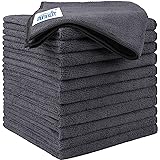
AIDEA Microfiber Cleaning Cloth-50PK, Microfiber Towels for Cars, 12"×12" | Premium Wash Cloths, Dusting Cloth Cleaning Rags, Absorbent Towels for SUVs, House, Kitchen, Window, Cleaning Supplies
$14.99 (as of October 21, 2026 17:49 GMT -08:00 - More infoProduct prices and availability are accurate as of the date/time indicated and are subject to change. Any price and availability information displayed on [relevant Amazon Site(s), as applicable] at the time of purchase will apply to the purchase of this product.)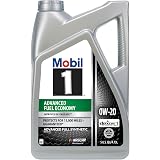
Mobil 1 Advanced Fuel Economy Full Synthetic Motor Oil 0W-20, 5 Quart | Enhanced Fuel Economy | 10,000-Mile Protection | Triple Action Formula
$31.97 (as of October 21, 2026 17:49 GMT -08:00 - More infoProduct prices and availability are accurate as of the date/time indicated and are subject to change. Any price and availability information displayed on [relevant Amazon Site(s), as applicable] at the time of purchase will apply to the purchase of this product.)