


How I tricked my family to hike Mt. Rainier
I have always wanted to go to Mount Rainier as a child but never had a chance until we moved to Port Orchard, Washington. So one day we did. It was a couple of hours’ drive but well worth it. Lily was only 4 years old and Gabe 5. We each had our own backpacks with snacks, water, and a change of clothes for the kids if needed. From the time the kids could walk, we have been taking them for long treks to get them stronger and encourage everyone to get some exercise.

Mount Rainier was breathtaking up close and very intimidating. There were what seemed to be endless trails everywhere! I pointed to the first one close to the information center and parking lot, but David didn’t want to go for a hike. I really wanted to go explore the area, so I kept pointing out trails hoping to entice David with the beautiful scenery but couldn’t convince him to go. So I tricked him. 🙂
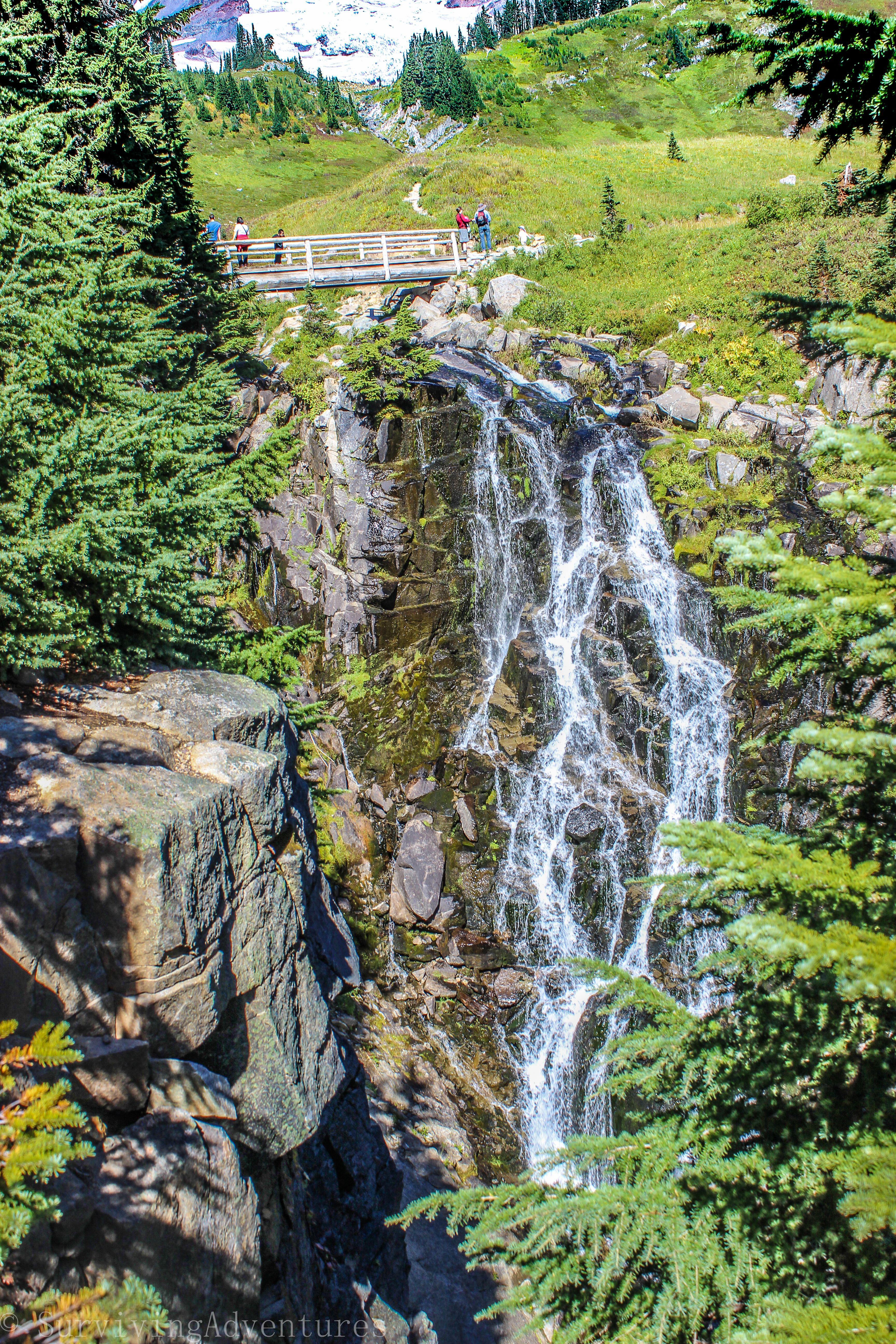
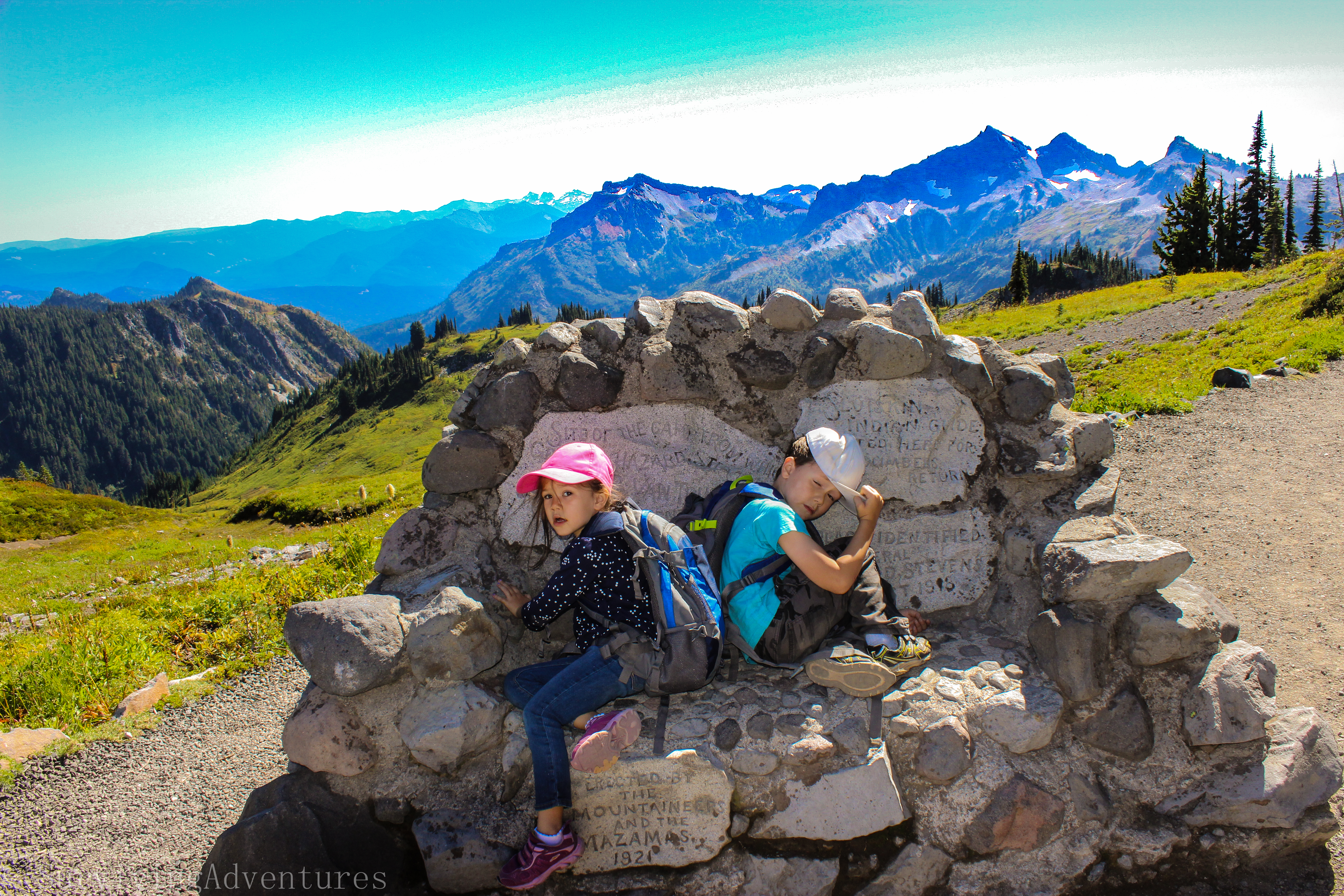
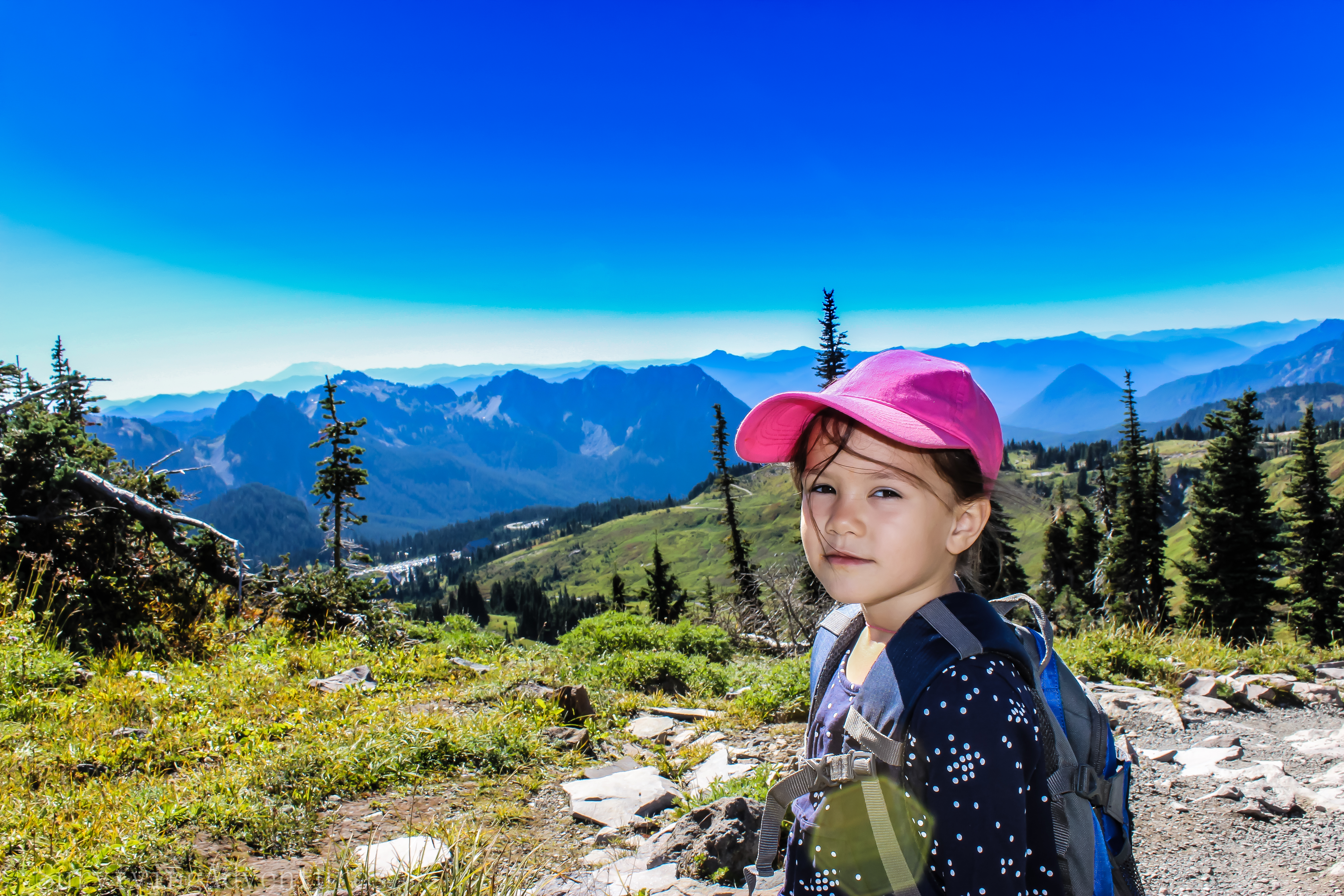
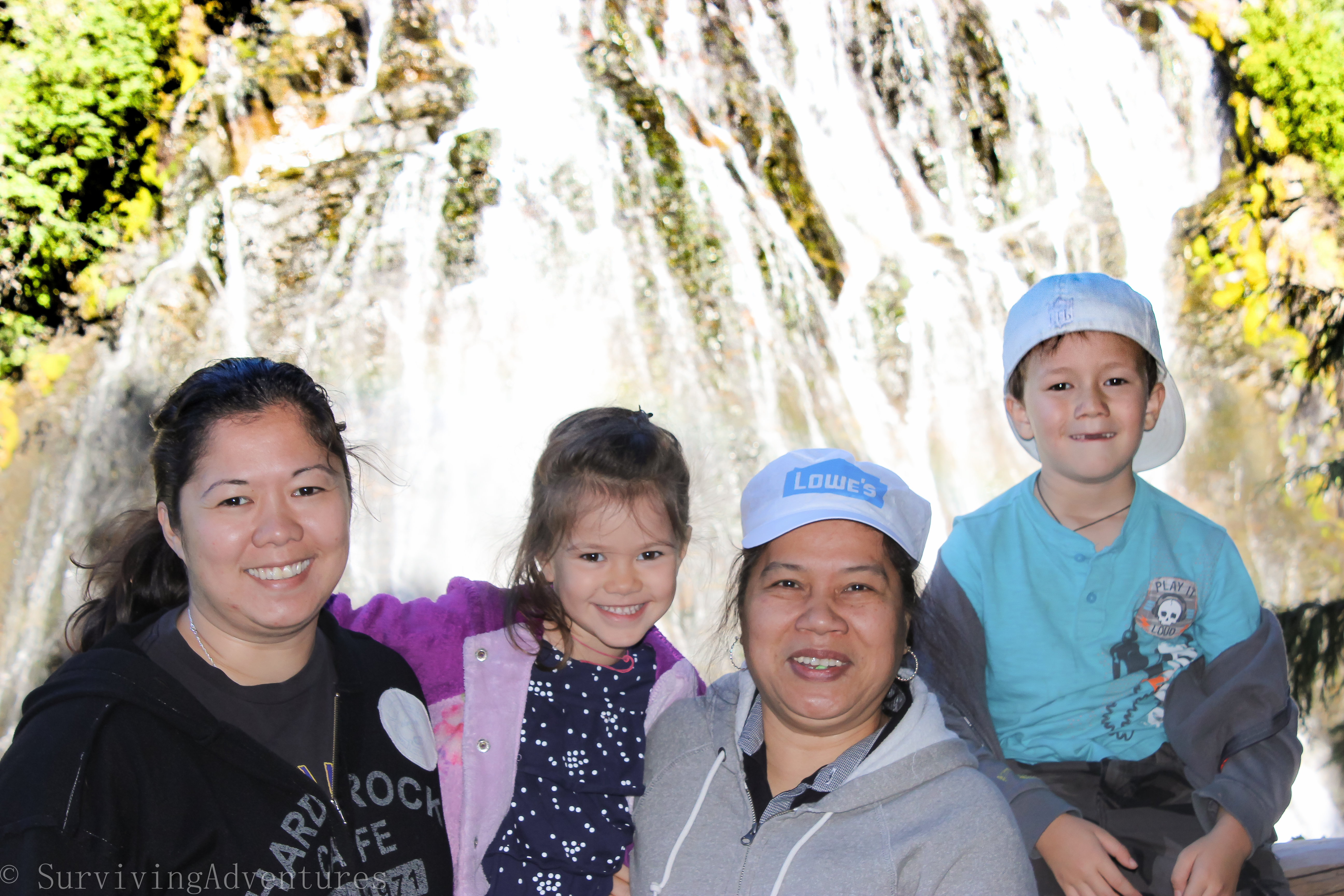
I started edging my way down a trail and bent over oohing, and ahhing about different things which got everyone to follow me. Then we got to a point where we were too far to just turn back, so we moved forward instead. Lol. The views were spectacular, the weather crisp, and the air so clean and fresh!


Everyone was a trooper, especially the kids! Lily and Gabe did not complain about the long hikes. There were points where we all would sit down and take a quick break (David says aka “to die”), eat our lunch/snack, and then continue on. We made it to a point where we reached a glacier and saw people in a tour group slowly making their way up. From here we were ready to make the trek back!
This trip was exhilarating! We hiked for nearly 5 miles with the kids and they didn’t quit. Needless to say for the next few days everyone was pretty sore and tried their best to stay off their feet as much as possible.
*If you liked this post and would like to see more of our family trips, please like and subscribe to our website and videos at www.survivingadventures.com. We have so many more places to visit and things to try together as a family and would love to share these with our audience. We will do our best to give some tips and trips that we learned before, during, & after each trip.
Planning Your Visit to Mount Rainier National Park
Mount Rainier National Park sits about 90 miles southeast of Seattle and is one of the most accessible major peaks in the Pacific Northwest. We drove from Port Orchard, which took roughly two hours. The most popular route for families is the southwestern approach via Highway 706, which leads to the Paradise area at about 5,400 feet elevation. This is where most of the visitor facilities, trailheads, and the famous flower meadows are located. The park charges an entrance fee per vehicle, and if you plan to visit multiple national parks in a year, the America the Beautiful annual pass is one of the best value purchases available for families. It covers entrance fees at every national park and many federal recreational sites for one full year.
What the Trails Are Like with Young Kids
Standing at the Paradise visitor center and looking up at the glaciers was genuinely awe-inspiring. Rainier rises to 14,411 feet and dominates the horizon in a way few peaks in the continental US can match. The trails at Paradise range from very short paved loops to strenuous multi-hour routes. For families with young children, the Skyline Trail and the Alta Vista Trail are both good options that offer spectacular views without requiring technical hiking ability. The Nisqually Vista Trail is a shorter loop that takes you to a viewpoint above the Nisqually Glacier and is manageable for kids comfortable walking for about an hour. We covered close to five miles by the end of our day, which is a genuinely impressive distance for children aged four and five.
The strategy that worked for getting David on the trail was simply starting to walk in an interesting direction and letting curiosity do the rest. Once we were far enough down the path that turning back seemed like more effort than going forward, the hike became a family decision without anyone having to make it officially. This is a useful tactic that transfers well to most reluctant hikers regardless of age.
Reaching the Glacier
One of the highlights was reaching a point where we could see a guided tour group making their way slowly up the glacier above us, connected by ropes. The glaciers on Rainier are among the largest in the continental US outside of Alaska. Seeing people actually climbing on one put the scale of the mountain into a perspective that photographs cannot fully capture. The air at elevation is noticeably different: crisp and cold even on a mild day, with a clarity that makes everything feel sharper than the air you breathe at sea level. The kids were energetic all the way to our turnaround point, which says a lot about how we had been preparing them through regular family hikes from their earliest years.
What to Pack for a Family Day at Rainier
- Water: At least 2 liters per adult, 1 liter per child. Altitude and exertion dehydrate you faster than expected.
- Layers: Even in summer, temperature at Paradise drops significantly. Bring a fleece or light jacket for everyone.
- Snacks and lunch: There is a cafe at the Paradise visitor center but it gets crowded. Packing your own food gives flexibility on the trail.
- Sunscreen: UV exposure at 5,000 feet is significantly higher than at sea level, and reflection off snow patches amplifies it further.
- Kids backpacks: Even toddlers can carry a small pack with their own water and snacks. It gives them ownership of the hike and reduces the load on adults.
- Rain gear: Washington weather is famously unpredictable. A packable rain jacket takes up almost no space and has saved us multiple times.
Tips for Hiking Rainier with Young Children
- Start early. Parking at Paradise fills up by mid-morning on summer weekends. Arriving before 9 AM gives the best chance of finding a spot.
- Check road conditions. The road to Paradise can be closed due to snow well into spring. Check the National Park Service website before going.
- Build up to it. Mount Rainier is not a starter hike for kids who have never walked more than a mile. Work up to longer mountain hikes over several outings first.
- Take breaks often. We stopped multiple times to sit, eat snacks, and rest. Kids who are allowed to rest and refuel do not hit the wall the way kids who are pushed through do.
- Celebrate the small milestones. Make each viewpoint feel like an achievement. Reaching the glacier viewpoint felt like a genuine accomplishment for everyone in our family.
Why Rainier Is Worth the Drive
This trip was one of our best family days in the Pacific Northwest. The combination of accessible trailheads, spectacular scenery, and the genuine sense of adventure that comes from walking through alpine meadows toward a glacier is something no theme park or city attraction can replicate. Our kids were four and five at the time. They did five miles. They were sore for days afterward and they still talk about the trip. Families who are thinking about getting young children outdoors on serious hikes should know that it is entirely possible to start earlier than you think. The key is preparation, realistic pacing, and framing the experience as an adventure. Rainier is one of the best places in the US to discover what your family is capable of together.
The Best Trails at Paradise for Families
If you are visiting for the first time with children, the Paradise area is your best starting point by far. It has the highest concentration of accessible, rewarding trails on the mountain, plus the Henry M. Jackson Visitor Center where you can get maps, talk to rangers, and use proper restroom facilities before heading out. The visitor center also has an excellent observation deck that gives you an unobstructed view of the glaciated summit above, which is worth at least a few minutes of standing in silence.
The Skyline Trail is a 5.5-mile loop that gains about 1,400 feet of elevation and passes through subalpine meadows to the Panorama Point overlook. For most families with children under 8, completing the full loop in one go is ambitious. A better approach is to hike as far as the meadows feel rewarding and then turn back. You get the same views, the same meadow experience, and arrive back at the car with children who still have some energy rather than children who are fully depleted. The Alta Vista Summit trail is a shorter 1.7-mile loop with about 600 feet of elevation gain that is very manageable for younger kids and gives you excellent views of the valley below Paradise.
One thing that can catch families off guard is the snow. Even in July and August, snow patches remain on many of the upper trails at Paradise. Children find this absolutely thrilling and completely irresistible, which can add significant time to your hike as they stop to examine, throw, and fall in every patch they encounter. We recommend scheduling extra time for snow encounters. It is also worth bringing gaiters or at minimum water-resistant shoes for any summer hike above 5,000 feet at Rainier, because the trail can transition from dry gravel to ankle-deep snow within a few hundred yards.
Getting There and Where to Stay
From Seattle or Tacoma, the drive to Paradise takes about two hours via Highway 7 and Highway 706 through the Nisqually entrance. The road is paved all the way to the Paradise parking area and is suitable for all vehicles when the road is open. The Longmire area, about 11 miles inside the park entrance, has a small historic inn (the National Park Inn), a small museum, and a ranger station. For families spending more than a day in the park, staying at the National Park Inn puts you inside the park and eliminates the morning drive, though rooms book out months in advance during summer.
For most visiting families, a day trip from Seattle, Tacoma, or the greater Puget Sound area is the practical approach. We drove from Port Orchard, arrived at Paradise by mid-morning, hiked until late afternoon, and drove home in the early evening. The drive back through the Cascade foothills as the sun dropped was beautiful in its own right. If you are staying in the Tacoma or Puyallup area, Mount Rainier is genuinely accessible as a day outing, and given how much there is to do at Paradise alone, a full day there is not hard to fill.
The bottom line on Mount Rainier for families: it is one of the most spectacular and accessible national parks in the US, it is within easy driving distance of a major metro area, and it is entirely possible to have a memorable and physically rewarding experience there with children as young as three or four years old. You do not need climbing gear, technical skills, or a high fitness level to have a great day at Paradise. You need good shoes, layers, water, snacks, and a willingness to follow your kids down whatever trail catches their attention first.
One final note: Mount Rainier is not just a destination for experienced hikers. It is a place where families who have never taken their children on a serious trail can discover what they are capable of. We were those families once. Lily was four, Gabe was five, and we had no idea we would end up hiking five miles to a glacier and back. That day became a reference point we still use when the kids say something is too hard. The mountain has a way of raising the bar on what you think is possible, and for a family, that is a gift worth the two-hour drive.

AIDEA Microfiber Cleaning Cloth-50PK, Microfiber Towels for Cars, 12"×12" | Premium Wash Cloths, Dusting Cloth Cleaning Rags, Absorbent Towels for SUVs, House, Kitchen, Window, Cleaning Supplies
$14.99 (as of October 21, 2026 17:49 GMT -08:00 - More infoProduct prices and availability are accurate as of the date/time indicated and are subject to change. Any price and availability information displayed on [relevant Amazon Site(s), as applicable] at the time of purchase will apply to the purchase of this product.)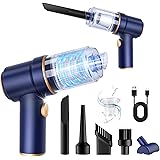
KMM Handheld Car Vacuum Cleaner, Hand Held Vacuum Cleaner and Air Duster | 9000PA Strong Suction, Cordless, 120W High Power, Multi-Nozzles & LED Light, for Home, Car, Office, Pet
$22.43 (as of October 21, 2026 17:49 GMT -08:00 - More infoProduct prices and availability are accurate as of the date/time indicated and are subject to change. Any price and availability information displayed on [relevant Amazon Site(s), as applicable] at the time of purchase will apply to the purchase of this product.)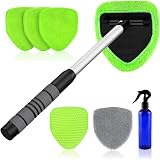
XINDELL Interior Windshield Cleaner Tool – Car Interior Window Cleaning Kit with Extendable Handle & 4 Microfiber Pads, Auto Wiper Inside Compact Windshield Brush for Car & Home Windows
$17.69 (as of October 21, 2026 17:49 GMT -08:00 - More infoProduct prices and availability are accurate as of the date/time indicated and are subject to change. Any price and availability information displayed on [relevant Amazon Site(s), as applicable] at the time of purchase will apply to the purchase of this product.)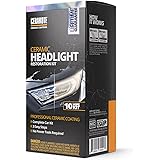
CERAKOTE® Ceramic Headlight Restoration Kit, 10 Wipe Kit | Restores clouded, yellowed headlights, ceramic UV protection, 3-step wipe system, no power tools needed
$17.95 (as of October 21, 2026 17:49 GMT -08:00 - More infoProduct prices and availability are accurate as of the date/time indicated and are subject to change. Any price and availability information displayed on [relevant Amazon Site(s), as applicable] at the time of purchase will apply to the purchase of this product.)


