We were fishing and Steven another fisherman foul hooked a snapping turtle. This is why I love being out in the wild, you never know what is going to happen or how you can help.
This little tank tried bit me twice. Here are some resources on how to better rescue turtles.
Know that it is your responsibility to help and protect wildlife.
What Is a Snapping Turtle and Why Does It Matter?
The common snapping turtle (Chelydra serpentina) is one of the most distinctive freshwater reptiles in North America. These ancient-looking creatures have been around in essentially the same form for millions of years, long before humans arrived on the continent. They are found in ponds, lakes, rivers, marshes, and slow-moving streams from southern Canada all the way down through Central America.
Snapping turtles are identifiable by their large size, powerful jaws, rough carapace, and long tail with ridged scales that give it a prehistoric appearance. Adult common snappers typically weigh between 10 and 35 pounds, though some individuals reach more than 50 pounds in optimal conditions. Their shell alone can reach 20 inches in length. Alligator snapping turtles, found in the southeastern United States, grow even larger and are among the heaviest freshwater turtles on Earth.
Despite their fearsome reputation, snapping turtles are not aggressive hunters of humans. They are omnivores that feed on aquatic plants, invertebrates, fish, frogs, and carrion. They play an important role in their ecosystem as both predator and scavenger, helping to maintain healthy water quality by consuming dead matter. When encountered in the water, they almost always retreat from humans. Their defensive behavior only escalates when they feel cornered on land or handled carelessly.
Why Turtles Get Foul Hooked
A foul-hooked turtle is one that has been snagged by a fishing hook in a part of the body other than the mouth, such as the flipper, neck, or shell. This happens accidentally when the turtle swims through an area where a baited line is resting near the bottom or when it investigates a lure and gets caught by an errant hook.
Turtles are curious bottom feeders that often share habitat with the fish we are trying to catch. They are attracted to the same bait that catches catfish and carp, especially smelly offerings like chicken liver and night crawlers soaking on a bottom rig. When they come in to investigate, a hook can catch them in the neck, leg, or edge of the shell opening. This is rarely life-threatening if handled correctly and quickly, but it does require a calm, careful response from the angler.
The key mistake many anglers make is panicking and yanking the line, which can cause the hook to set more deeply and cause additional injury. The best response is to bring the turtle toward you slowly and carefully, keep it as calm as possible, and work to remove the hook without causing further harm.
How to Safely Handle a Snapping Turtle
Snapping turtles have a reach and jaw strength that surprises most first-timers. They can extend their neck surprisingly far to the sides and rear, so the safe zone is not as large as people assume. Here is how to handle one safely whether you have foul hooked one or just encountered one on the bank.
Never pick up a snapping turtle by the tail. This is a common mistake that causes real harm to the animal by stressing the vertebrae and internal organs. Instead, grasp the turtle firmly on both sides of the shell just above the rear legs. This gives you a stable hold and keeps your hands away from the head. A large turtle may require two people for this approach.
Keep the turtle at arm length and pointed away from your body. Even from the rear grip position, a large snapper can reach backward with surprising speed. Stay calm and move deliberately. Sudden movements stress the animal and increase the chance it will snap defensively.
To remove a foul hook from a snapping turtle, use needle-nose pliers or a dehooker tool. If the hook is barbless it will slide free more easily. If the hook is barbed and set deeply, the safest option for the turtle is to cut the line as close to the hook as possible and release the animal. The hook material will typically dissolve or work its way out over time without causing lasting harm. Do not try to perform deep hook removal on a snapping turtle in the field unless you have experience doing so.
After the hook is addressed, release the turtle back into the water in the same general area where it was caught. Place it at the water edge and let it enter on its own rather than tossing it. Step back and give it space so it does not feel threatened during its retreat.
Wildlife Rescue Responsibilities for Outdoor Families
Encountering wildlife in need of help is a powerful experience, especially for children. It turns a recreational outing into a lesson in responsibility, compassion, and environmental stewardship. When you respond calmly and correctly to a situation like a foul-hooked turtle, you model exactly the behavior that shapes the next generation of responsible outdoor adventurers.
Know when to get help. Not every wildlife situation is something a bystander should handle alone. If a turtle or other animal has a serious injury, is bleeding heavily, or appears ill, the right move is to contact your local wildlife rehabilitator. Most states have a network of licensed wildlife rehab centers that are equipped to treat injured animals. A quick search for wildlife rehabilitator plus your county will turn up a local resource in most areas.
If you find a turtle crossing a road, you can safely move it in the direction it was already heading. Never move a turtle to a different location away from its home territory. Turtles have a strong homing instinct and will attempt to return to their original territory, often crossing the road again in the process. Moving them far away causes more harm than good.
Teach your children that wild animals are not pets and not something to fear without reason. They are living members of the ecosystem that deserve respect and careful treatment. The snapping turtle that bit at us twice was not being mean. It was scared. Understanding that distinction changes the way children interact with wildlife for the rest of their lives.
These moments out in the wild, the unexpected ones that no trip planner could ever schedule, are often the most impactful. You never know when a routine afternoon of fishing is going to turn into a wildlife rescue story you retell for years. That is exactly why we keep going back outside. The water, the wildlife, and the unpredictability of nature make every single outing worth it.
Protecting Turtle Populations: What Every Angler Can Do
Snapping turtles and many other freshwater turtle species face increasing pressure from habitat loss, road mortality, and accidental capture in fishing gear. While a single angler removing a foul hook carefully and releasing the animal unharmed may seem like a small act, it genuinely makes a difference when multiplied across thousands of fishing trips each season.
Consider switching to barbless hooks for bottom fishing in waters where turtles are known to be active. Barbless hooks cause significantly less tissue damage when accidentally caught in a non-target animal and are far easier to remove quickly. Many experienced catfish and carp anglers use barbless hooks and report no meaningful reduction in hook-up rates.
Use circle hooks when possible. Circle hooks are designed to catch fish in the corner of the mouth and are less likely to be swallowed deeply. They also tend to cause fewer foul-hook incidents with turtles because of the geometry of the hook point. They are widely used in saltwater fishing for this reason and are increasingly popular in freshwater applications as well.
Do not leave discarded fishing line in or near the water. Monofilament line is extremely dangerous to wildlife. Turtles, birds, and fish can become entangled in discarded line and suffer serious injury or death as a result. Most fishing areas have monofilament recycling tubes mounted on docks and piers. Use them. If you see discarded line on the bank or in the water, pick it up and dispose of it properly even if it is not yours.
Report injured or distressed wildlife to your state wildlife agency. In Pennsylvania, the Pennsylvania Fish and Boat Commission and the Pennsylvania Game Commission both have resources for reporting injured wildlife. A quick phone call can connect an animal in distress with a licensed rehabilitator who has the knowledge and equipment to give it a real chance at recovery.
Making the Most of Unexpected Outdoor Moments
What made the snapping turtle rescue so memorable was exactly what makes most great outdoor stories memorable: it was completely unplanned. We went out to catch fish. We ended up helping a wild animal and coming home with a story that has lasted far longer than any fish we ever landed.
That is the gift of spending time outdoors with your family. Nature does not follow a script. Every trip to the water is an open door to something unexpected, whether that is a heron landing ten feet away, a great blue sky reflected in a still pond at sunrise, a monster bass that breaks the line at the last second, or a prehistoric-looking snapping turtle that decides your bait looks interesting.
Children who grow up having these experiences develop a relationship with the natural world that no classroom can create. They learn to observe, to react calmly, to help when help is needed, and to leave places better than they found them. These are not small things. These are the values that shape who they become as adults.
So the next time you are out on the water and something unexpected happens, lean into it. Let the turtle or the heron or the unexpected storm become part of the story. Put down the fishing rod for a moment and pay attention to what the natural world is offering you. It is almost always something worth seeing.
And if that something tries to bite you twice on the way back to the water, just laugh. That is part of the deal. The wild world does not owe us anything, and somehow that makes every moment out there even more worth showing up for.
Resources for Turtle Rescue and Wildlife Help
If you encounter a turtle that is injured, sick, or in danger, here are steps to take in order to get it the help it needs. First, do not attempt complex medical intervention yourself. Your role as a bystander is to stabilize the situation, protect the animal from further harm, and connect it with a professional as quickly as possible.
Contact your state wildlife agency directly. Most states maintain a 24-hour wildlife emergency line or an online reporting tool. The National Wildlife Rehabilitators Association website at nwrawildlife.org maintains a directory of licensed rehabilitators organized by state that is searchable by zip code.
If you need to transport an injured turtle to a rehabilitator, place it in a cardboard box or plastic bin lined with a damp towel. Keep the container dark and quiet. Do not offer food or water and do not try to clean wounds. Transport the animal promptly and call ahead so the rehabilitator can prepare for your arrival.
The Turtle Survival Alliance and the Tortoise and Freshwater Turtle Specialist Group of the IUCN are two international organizations dedicated to turtle conservation that provide educational resources for the public. Their websites are worth bookmarking if you spend time near freshwater habitats. Knowledge is the foundation of effective wildlife stewardship, and it starts with simple curiosity about the creatures that share our waterways.
The next time you head out for a day of fishing, bring a pair of needle-nose pliers, a dehooking tool, and a little extra patience. You may never need them for a turtle. But if you do, you will be glad you were prepared. Being a responsible angler means being ready to help the waterway and every creature in it, not just the ones you came out to catch.
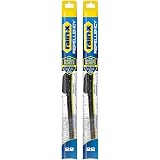
Rain-X 810363 Repellency Water Repellent Wiper Blades, 22" & 22" (2 Pack) | Premium Water Repellent Beam Blade, All-Weather Streak-Free Wipe, Enhanced Visibility, Universal Adapter, Amazon Exclusive
$39.42 (as of October 21, 2026 17:49 GMT -08:00 - More infoProduct prices and availability are accurate as of the date/time indicated and are subject to change. Any price and availability information displayed on [relevant Amazon Site(s), as applicable] at the time of purchase will apply to the purchase of this product.)
Rain-X 600001 Windshield Repair Kit for Chips, Cracks & Bullseyes | Quick, Easy, Durable Resin-Based Glass Repair Kit, For Round Damage Below 1" in Diameter and Cracks Smaller Than 12" Length
$12.67 (as of October 21, 2026 17:49 GMT -08:00 - More infoProduct prices and availability are accurate as of the date/time indicated and are subject to change. Any price and availability information displayed on [relevant Amazon Site(s), as applicable] at the time of purchase will apply to the purchase of this product.)
Febreze Car Air Freshener, Odor-Fighting Automotive Vent Clip, Scented Car Accessories, Long Lasting for Strong Odors, Unstopables Fresh Scent, .07 fl oz, 4 Count
$11.99 (as of October 21, 2026 17:49 GMT -08:00 - More infoProduct prices and availability are accurate as of the date/time indicated and are subject to change. Any price and availability information displayed on [relevant Amazon Site(s), as applicable] at the time of purchase will apply to the purchase of this product.)
AstroAI L7 Tire Inflator Portable Air Compressor,150 PSI Cordless Bike Pump | For Car Tires, Bikes, Motorcycles and Balls; Auto Shut-off, Digital Display Pressure Gauge, Fast Inflation, LED Light
$22.98 (as of October 21, 2026 17:49 GMT -08:00 - More infoProduct prices and availability are accurate as of the date/time indicated and are subject to change. Any price and availability information displayed on [relevant Amazon Site(s), as applicable] at the time of purchase will apply to the purchase of this product.)