

Cruise Life


Day 5
Ho Chi Minh City (commonly known as Saigon) is a city in southern Vietnam famous for the pivotal role it played in the Vietnam War.
Cu Chi Tunnels
The Cu Chi tunnels were not only home to thousands of Viet Cong guerrillas, but it was also a complicated structure consisting of numerous trenches, bunkers, booby traps, bomb shelters, and an amazing air ventilation system.
The tunnels were the focal point of this trip for me. A brief history is in order. Located some 37 miles to the northwest of Ho Chi Minh City, the Cu Chi tunnel network is an extensive labyrinth of underground tunnels stretching all the way to the Cambodian border. They were built over a period of some 25 years and initial construction began in 1948 by the Viet Minh during the war against the French. Back then, the tunnels were a means of communication between villages and they also helped the Vietnamese evade French soldiers scouting the area.
To combat these guerrilla tactics, U.S. forces would eventually train some soldiers to function as so-called “tunnel rats.” These soldiers (usually of small stature) would spend hours navigating the cramped, dark tunnels to detect booby traps and scout for enemy troops.
We scheduled the shore trip with the cruise line, a very easy process. The tour company had the bus waiting for us at the dock to whisk us away. The tour guide had many real-life stories about after the Vietnam War, they were not sunshine and rainbows. He and his family spent years in a “Reeducation” Camps. His family was shot and killed trying to escape the country. This brought gravity to this vacation that I was expecting but not as intense.
Opening/Closing Time and Entrance Ticket Prices
Both Ben Dinh and Ben Duoc entrances have the same operating hours, however, have different entrance fees.
Opening hours: 8 AM to 5 PM every day, including Sunday!
Entrance ticket:
Ben Dinh: 110,000 VND/person (4.74 USD)
Ben Duoc: 90,000 VND/person (3.88 USD)
Interestingly, the tunnels that give you a better experience cost less. See what we mean when we say Ben Dinh is a tourist trap!

Things to do at the Cu Chi Tunnels
There are a bunch of things you can do at the Cu Chi Tunnels. Explore the area, go underground, watch documentaries, see exhibits, explore traps, take photos, and of course, shoot a gun!
When you enter, you will immediately be shown a video showing the lives of the Viet Cong and of the locals in the villages nearby were during the war. And then the exhibits begin.

Shooting Range
Both Ben Dinh and Ben Duoc have shooting ranges for tourists to shoot a few rounds. The catch is that you must be at least 16 years old, sorry Gabe.
The bullets are sold in sets, and each set has around 10 bullets of the same type. Here is the price list for different types of bullets sold:
- M16: 35,000 VND/1 bullet (1.6 USD)
- AK 47: 40,000 VND/1 bullet (1.8 USD)
- Machine gun M60: 40,000 VND/1 bullet (1.8 USD)
- Garand: 30,000 VND/1 bullet (1.4 USD)
- Machine gun M30: 30,000 VND/1 bullet (1.4 USD)
- Carbine: 25,000 VND/1 bullet (1.1 USD)
This is another sad part Mary only gave me 232,000 VND about $10 so I was only able to 10 rounds for the M30. It is still a sore subject for me to this day. The range had other people shooting so I was able to video them having fun!
Food
My God the food is SO good! Now we only had a day to try the food. To give it the proper gravitas I will insert an excerpt from ARANTXA GOMEZ’s blog.

- Banh Beo – little flour pancakes topped with crunchy pork. Yummy!
- Banh Cuon – steamed rice rolls filled with minced mushrooms and pork, super smooth!
- Banh Xeo – fried crepes filled with many types of savory deliciousness. Try the one with prawns, it’s so good! The best place to try it is at Banh Xeo 46A!
- Bun Cha – noodle soup with barbecued pork, fresh veggies and herbs. My favorite Vietnamese dish!
- Pho Bo – Vietnamese noodle soup that consists of rice noodles and beef, Ho Chi Minh City’s style is sweeter and with fewer spices!
- Vietnamese Coffee – there’s not much to say about this, it’s coffee, it’s Vietnamese, it’s delicious!
- Banh Mi – A mix of the French and Vietnamese cuisine, affordable baguette sandwich with veggies, meat and pate! Vegetarian options available everywhere too! Check the ones at Banh Mi Huynh Hao!
- Goi Cuon – The classic Vietnamese spring rolls, you have to try them!
- Bun Bo Hue – beef and rice vermicelli noodle soup, a spicy central Vietnamese take on Pho!
- Bun Mam – yummy fermented Vietnamese soup with fish and seafood.
David M.

What It’s Like Inside the Cu Chi Tunnels
The tour at the Cu Chi Tunnels is not a sanitized museum experience. You enter the tunnel complex through a jungle area that has been preserved to look as it did during the war, complete with camouflaged tunnel entrances barely visible in the ground. The guides show you a range of exhibits before you go underground: booby traps (replicas, but you understand immediately why they were so effective), fighting holes concealed under leaves, ventilation shafts disguised as termite mounds, and a series of dioramas showing how the tunnels were used for cooking, sleeping, surgery, and weapons manufacturing — all underground, all under the noses of U.S. forces.
You can crawl through a section of the actual tunnels. The larger tourist-accessible tunnel has been widened slightly from its wartime dimensions, and it is still remarkably narrow and low. Crouching through 50 meters of that in the dark and heat gave us about thirty seconds of understanding. The Viet Cong fighters lived in these conditions for years. The tunnel system under Cu Chi stretched over 250 kilometers at its maximum extent. The engineering feat alone is staggering.
The Tour Guide’s Story
The most powerful part of our visit was not the tunnels themselves but our tour guide. He spoke matter-of-factly about life after the war — his family’s experience in a reeducation camp, the years of hardship that followed reunification, family members shot while attempting to leave the country. He told these stories in the same calm, informative voice he used to describe the tunnel ventilation systems. No performance, no dramatization. Just the facts of his life.
For us, with both our fathers having served during the Vietnam War, this day carried extra weight. The Cu Chi tunnels from one side, and what came after from the other. History is rarely as simple as it looks from one angle, and standing in that jungle with a man who lived through the aftermath made that very clear. It is the kind of experience that stays with you long after the flight home.
Getting to the Cu Chi Tunnels from Your Cruise Ship
Cruise ships dock at the Phu My Port, about 80 kilometers southeast of Ho Chi Minh City. Your cruise line will offer organized shore excursions to the Cu Chi Tunnels, which is the most straightforward option — transportation is arranged, the guide is in English, and you are back at the ship on time. This is what we did and it worked well.
If you prefer to go independently, book a transfer from the port to Ho Chi Minh City and then a separate tour to the tunnels. The Ben Dinh site (the more tourist-oriented entrance) is about 37 kilometers northwest of the city center. The Ben Duoc entrance offers a more authentic experience and costs slightly less. Most independent visitors take organized minibus tours from the city, which typically run $15 to $25 per person including entrance and a guide.
Ho Chi Minh City: First Impressions
The city is chaotic in the best way — dense, loud, vibrant, with motorcycles flowing through intersections like a river finding its own path. The contrast between the colonial French-influenced architecture downtown and the modern towers going up everywhere gives it a layered visual texture that no photo quite captures. We only had one day, which was nowhere near enough.
The food, as described above, is extraordinary. Vietnamese food in Vietnam is a different category from Vietnamese food everywhere else. The pho is richer, the banh mi fresher, the coffee stronger and sweeter (Vietnamese iced coffee with condensed milk is something you will think about for years). If your cruise gives you a free afternoon in port, find a local restaurant and order widely. The prices are so low compared to anywhere else in the world that trying six dishes is the only sensible approach.
Practical Tips for a Cruise Stop in Vietnam
- Book your shore excursion early. The Cu Chi Tunnels tours fill up fast, especially on larger ships. Book as soon as excursions open for your sailing.
- Wear light, breathable clothing. Ho Chi Minh City is hot and humid year-round. If you are going into the tunnels, know that it is cooler underground but you will be moving and crouching, so lightweight is still the right call.
- Bring US dollars or Vietnamese dong. USD is widely accepted in tourist areas. The exchange rate is favorable from a Western perspective — budget generously for food and you will still spend very little.
- The shooting range is optional but memorable. If you want to fire an AK-47 at a dedicated range on the tunnel grounds, you can. It is safe, heavily supervised, and the experience is surreal given the context of where you are.
- Plan to be moved. The Cu Chi Tunnels are not just a history lesson. They are a physical, emotional experience. If you or anyone in your family has a personal connection to the Vietnam War, as we do, bring tissues and give yourself time to process afterward.
Why This Stop Matters If You Have a Military Family Connection
Both our fathers served during the Vietnam War. Standing at the Cu Chi Tunnels knowing that puts a very different frame around everything you see. The booby traps, the tunnel entrances, the documentary footage showing Viet Cong fighters going about their lives underground while B-52 strikes shook the earth above them — all of it lands differently when you can hear one side of that history from family members who lived it. Our tour guide provided the other side, just as personally and just as powerfully.
For military families, this is one of the most meaningful travel experiences we have had. It does not resolve anything — history rarely does — but it complicates the story in the most human way possible. The Cu Chi Tunnels are not a glorification of either side. They are a record of survival, ingenuity, and endurance under incomprehensible conditions. Every family with a connection to this conflict should visit if they ever have the chance.
Would We Go Back to Vietnam?
Without question. One day in Ho Chi Minh City from a cruise port is not remotely enough. The city alone could absorb a week — the French Quarter architecture, the Ben Thanh Market, the Reunification Palace, the War Remnants Museum (sobering but important), the Mekong Delta day trips. And that is just the south. Hoi An, Hanoi, Ha Long Bay, the rice terraces of Sapa — Vietnam is one of the most rewarding countries in Southeast Asia to travel through slowly, by land, stopping everywhere.
The food alone is worth the return trip. We have been back in the US for some time now and still talk about the Vietnamese coffee. If you get the chance to visit — on a cruise, on an independent trip, on any pretext — take it. The Cu Chi Tunnels will stay with you for a long time.
Cruise lines often treat Ho Chi Minh as a half-day port. If yours offers an extended stay or an overnight, take it. The city rewards time. One day at Cu Chi gave us one of the most powerful travel experiences of our lives — a full week in Vietnam would be something else entirely.
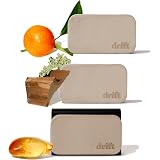
Drift Car Air Freshener - Stone Air Freshener - Car Odor Eliminator - Long Lasting Scent - Auto Accessories - Metal Clip - Clean Ingredients- Variety 3 Pack Starter Kit - CLIP INCLUDED
$29.99 (as of October 21, 2026 17:49 GMT -08:00 - More infoProduct prices and availability are accurate as of the date/time indicated and are subject to change. Any price and availability information displayed on [relevant Amazon Site(s), as applicable] at the time of purchase will apply to the purchase of this product.)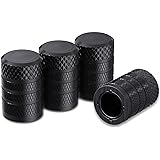
CKAuto Tire Valve Stem Caps, Aluminum Black, 4 pcs/Pack | Corrosion Resistant, Universal Stem Covers for Cars Trucks Motorcycles SUVs and Bikes
$5.99 (as of October 21, 2026 17:49 GMT -08:00 - More infoProduct prices and availability are accurate as of the date/time indicated and are subject to change. Any price and availability information displayed on [relevant Amazon Site(s), as applicable] at the time of purchase will apply to the purchase of this product.)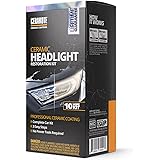
CERAKOTE® Ceramic Headlight Restoration Kit, 10 Wipe Kit | Restores clouded, yellowed headlights, ceramic UV protection, 3-step wipe system, no power tools needed
$17.95 (as of October 21, 2026 17:49 GMT -08:00 - More infoProduct prices and availability are accurate as of the date/time indicated and are subject to change. Any price and availability information displayed on [relevant Amazon Site(s), as applicable] at the time of purchase will apply to the purchase of this product.)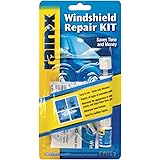
Rain-X 600001 Windshield Repair Kit for Chips, Cracks & Bullseyes | Quick, Easy, Durable Resin-Based Glass Repair Kit, For Round Damage Below 1" in Diameter and Cracks Smaller Than 12" Length
$12.67 (as of October 21, 2026 17:49 GMT -08:00 - More infoProduct prices and availability are accurate as of the date/time indicated and are subject to change. Any price and availability information displayed on [relevant Amazon Site(s), as applicable] at the time of purchase will apply to the purchase of this product.)


