Great food is around every corner and alley in Dongdaemun.
This country has a plethora of delicious food offerings from 5-star restaurants to street food. My family and I have been living in Korea for almost two years and have not begun to scratch the tip of the iceberg. But, for you our readers and viewers we will keep on trying great food and taking you along for the adventure.
Check out Cheesy Ribs
What Is Dongdaemun and Why Is the Food So Good?
Dongdaemun is one of the most iconic districts in Seoul, South Korea. Named after the Great East Gate, one of the eight gates that once surrounded the city during the Joseon Dynasty, the area has evolved over centuries from a fortified city entrance into one of the most vibrant commercial and culinary hubs in the entire country. Today it is known internationally for its massive fashion wholesale markets, its 24-hour shopping culture, and the extraordinary density of food options available at nearly every hour of the day or night.
The food scene in Dongdaemun is driven largely by the fact that the area never really sleeps. The wholesale fashion markets operate through the night, drawing buyers, sellers, and workers who need to eat at 2 a.m. just as much as at noon. This around-the-clock energy created a food ecosystem built for convenience, speed, and flavor, one where street vendors, pojangmacha tent restaurants, and packed sit-down establishments coexist within steps of each other and all of them are usually good.
For families stationed in Korea, Dongdaemun offers one of the best single-destination food adventures available anywhere in Seoul. The variety is staggering, the prices are reasonable by any standard, and the atmosphere, with the illuminated Dongdaemun Design Plaza visible from almost anywhere in the neighborhood, makes everything feel like a genuine urban adventure rather than just a dinner outing.
The Best Street Foods to Find Around Dongdaemun
Street food is the heart of the Dongdaemun food experience. The alleys and sidewalks surrounding the market buildings are lined with vendors serving the foods that define Korean street culture, each one a specialist in their particular offering, and most of them have been doing this for years if not decades.
Tteokbokki is unavoidable and wonderful. These chewy cylindrical rice cakes cooked in a fiery gochujang sauce are one of the foundational street foods of Korea and nowhere is it more satisfying to eat them than standing at a street stall in Dongdaemun at night, surrounded by the glow of market signs and the noise of the city. The sauce is thick, spicy, and slightly sweet, and the tteok absorb it perfectly. Add a couple of eomuk fish cake skewers on the side and you have a complete street food meal.
Hotteok are sweet Korean pancakes filled with brown sugar, cinnamon, and crushed peanuts, cooked on a griddle until the outside is crispy and the inside is a pool of warm, liquid sweetness. They are a cold-weather staple at Korean street stalls and eating one while walking through Dongdaemun on a cool evening is one of those experiences that earns permanent status in the food memory bank.
Sundae is a Korean blood sausage made with glass noodles and vegetables stuffed into a pork intestine casing. It sounds intimidating and tastes extraordinary. Most street vendors serve it sliced, with a small dish of salt and doenjang for dipping. If you are willing to try one thing in Dongdaemun that falls outside your comfort zone, make it this.
Mandu, Korean dumplings, appear at virtually every food stall in the area in steamed, pan-fried, or deep-fried forms. They are stuffed with mixtures of pork, kimchi, tofu, glass noodles, and vegetables, and they are among the most universally appealing Korean street foods for families with children who are still building their adventurous eating credentials. A plate of pan-fried mandu is a reliable crowd-pleaser at every age.
Sit-Down Restaurants Worth Seeking Out in Dongdaemun
The street food scene gets most of the attention in Dongdaemun, but the sit-down restaurants in the surrounding alleys and side streets deserve equal recognition. These are the kind of places that have no English signage, no photos on the menu, and a front-of-house staff that communicates primarily through gestures and enthusiasm. They are also, frequently, the best meals you will eat in the neighborhood.
Gukbap restaurants, serving soup and rice in a bowl with various additions depending on the regional style, are everywhere in the market area and provide exactly the kind of filling, warming meal you want after an hour of walking through the market in cooler weather. Seollongtang, the milky ox bone broth soup, is a classic option that you will find at dedicated restaurants near Dongdaemun that open early and close when the pot runs out. It is seasoned at the table with salt, green onion, and a small amount of doenjang paste according to personal preference.
Samgyeopsal restaurants, where you grill thick slices of pork belly at the table over a charcoal or gas grill, are a great choice for a group dinner in the area. The meal includes an array of side dishes called banchan that are refilled without charge throughout the evening, a pile of fresh lettuce and perilla leaves for wrapping the grilled meat, and various dipping sauces and garnishes that you combine at the table according to your own preference. This is one of the most communal and enjoyable eating formats in Korean food culture and it works wonderfully for families.
Haemul pajeon restaurants serve the savory Korean pancake made with green onion and seafood that is a beloved comfort food across the country. A crispy, hot pajeon paired with a cold drink is a near-perfect combination that you can find throughout the Dongdaemun area at most hours. The seafood version with shrimp, squid, and oyster is richer and more complex than the basic onion version and is worth the slight additional cost.
Tips for Eating in Dongdaemun as a Family
Navigating the food scene in a major Korean market district with children requires a bit of planning, but the effort pays off with an experience that the whole family remembers long after other details of the trip have faded.
Go at night. Dongdaemun is a daytime destination for shopping, but it truly comes alive after dark. The street food vendors ramp up in the evening, the market buildings are illuminated dramatically, and the overall energy of the area intensifies in a way that makes the food experience feel more exciting. Arriving around 7 or 8 p.m. puts you in the middle of the action at prime time.
Bring cash in small denominations. Many street food vendors operate cash-only, and having exact change or small bills makes transactions faster and easier. Carrying a mix of 1,000, 5,000, and 10,000 won notes covers virtually every street food purchase you will make in the area without requiring change.
Let the kids lead the ordering for at least one item. Point at something on a menu board or in a vendor display, trust the process, and let the resulting dish become part of the family food story. Even if the choice turns out to be something challenging, the experience of making an independent food decision in an unfamiliar context builds confidence and creates a memorable moment.
Stay curious. Dongdaemun has been feeding people for generations and the food vendors who operate there know exactly what they are doing. Trust them. Follow your nose down alleyways. Stop when you see a line of local customers. The best meals in any Korean market district are always the ones that required a small act of trust from the diner.
Our family has barely scratched the surface of what Dongdaemun has to offer in two years of living in Korea. That is the honest truth about great food cities: the more you explore them, the more you realize how much is still waiting. Come hungry, stay curious, and plan to come back.
Dongdaemun Beyond Food: What Else to Do in the Area
While this post is primarily about the food, a trip to Dongdaemun is incomplete without at least acknowledging the other things that make the area worth a full day or evening of exploration.
The Dongdaemun Design Plaza, known as DDP, is one of the most visually striking buildings in Seoul. Designed by architect Zaha Hadid and opened in 2014, the building is a curving, metallic structure that seems to defy conventional architectural forms. It serves as an exhibition and event space and is surrounded by public plazas that are themselves worth visiting. At night, when the building is illuminated, it provides one of the most dramatic backdrops for photography in the entire city.
The Dongdaemun History and Culture Park, adjacent to the DDP, sits on the site of a former baseball stadium and incorporates the remains of Joseon-era city walls and military training grounds discovered during construction. Walking through this park connects the contemporary energy of the commercial district with layers of history that stretch back six hundred years. It is the kind of juxtaposition that makes Seoul endlessly fascinating as a city to explore.
The fabric and fashion markets themselves are worth a walk-through even if you have no intention of buying anything. The scale of the wholesale market buildings, with their floors of stalls organized by product category, is genuinely impressive, and the activity inside them even in the middle of the night is unlike anything available in most American cities.
How to Get to Dongdaemun
Dongdaemun is well-served by the Seoul Metro system, which makes it easily accessible from anywhere in the city without the need for a taxi or personal vehicle. The Dongdaemun History and Culture Park station on lines 2, 4, and 5 puts you directly at the DDP and within walking distance of the major food alleys. The Dongdaemun station on lines 1 and 4 is equally convenient for accessing the market buildings from the north side.
For military families stationed at Camp Humphreys or other installations south of Seoul, the KTX and intercity bus systems provide efficient connections to the capital. Alternatively, a drive to Seoul takes roughly one to two hours from most southern installations depending on traffic, and parking is available at the DDP and in surrounding commercial garages, though public transit remains the more convenient option for a leisure trip into the city center.
Seoul is one of the most navigable cities in the world for visitors who do not speak the local language. Signage in the metro system is available in Korean, English, Chinese, and Japanese at most stations. Google Maps and Naver Maps both provide reliable navigation in Seoul with English-language interfaces. Getting to Dongdaemun and finding the food you want once you arrive is genuinely straightforward, which removes most of the logistical barriers that might otherwise discourage a family outing to the area.
Go eat. Bring the family. Try the tteokbokki and the hotteok and the pajeon. Let the kids point at something from a vendor cart and order it. Walk past the illuminated DDP and take the obligatory photographs. Come back again the next time you have an evening free. Dongdaemun has enough to offer that two years of visits barely begins to cover it, and we speak from experience on that point.
We have been living in Korea for almost two years and have not come close to exhausting what Dongdaemun has to offer at the table. Every visit turns up something new: a vendor we had not noticed before, a dish on a familiar menu that we had not tried, an alley that opens into a cluster of small restaurants we had somehow walked past a dozen times without stopping. The food here is not just good. It is genuinely inexhaustible. And for a family that loves to eat and loves to explore, that is just about the best thing a place can be.
The adventure at the table never stops here. Dongdaemun remains one of the best reasons to live in Seoul, and the food is the biggest reason of all.
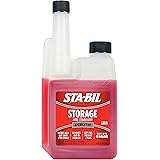
STA-BIL Storage Fuel Stabilizer, 16 oz | Treats 40 gallons. Keeps fuel fresh for up to 24 months during storage and helps protect against corrosion and ethanol damage
$11.99 (as of October 21, 2026 17:49 GMT -08:00 - More infoProduct prices and availability are accurate as of the date/time indicated and are subject to change. Any price and availability information displayed on [relevant Amazon Site(s), as applicable] at the time of purchase will apply to the purchase of this product.)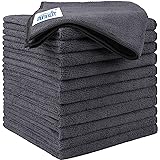
HOMEXCEL Microfiber Cleaning Cloth 12 Pack, 12.5 x 12.5 inch Microfiber Towels for Cars, Ultra Absorbent Washing Cloth, Lint Free Streak Free Cleaning Rags for Car, Kitchen, and Window (Grey)
$5.98 (as of October 21, 2026 17:49 GMT -08:00 - More infoProduct prices and availability are accurate as of the date/time indicated and are subject to change. Any price and availability information displayed on [relevant Amazon Site(s), as applicable] at the time of purchase will apply to the purchase of this product.)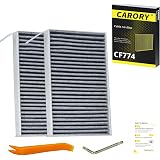
2PCS Cabin Air Filter with Activated Carbon for Tesla Model 3 (2017-2026), Model Y (2020-2026), OE# 1107681-00-A, CF12774, XC11952C, CF774
$16.99 (as of October 21, 2026 17:49 GMT -08:00 - More infoProduct prices and availability are accurate as of the date/time indicated and are subject to change. Any price and availability information displayed on [relevant Amazon Site(s), as applicable] at the time of purchase will apply to the purchase of this product.)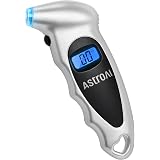
AstroAI Digital Tire Pressure Gauge 150PSI, ±1PSI Accuracy for Car Truck | Industrial Tire Gauge Calibrated to ANSI B40.7 with 4 Settings for Motorcycle Bikes, Silver
$6.99 (as of October 21, 2026 17:49 GMT -08:00 - More infoProduct prices and availability are accurate as of the date/time indicated and are subject to change. Any price and availability information displayed on [relevant Amazon Site(s), as applicable] at the time of purchase will apply to the purchase of this product.)