Fishing is international and therapeutic, and a must in my life. As a father I have to teach my children, like my father and grandfather taught me. If you have ever gone on a fishing trip, you know it is an adventure. If you get skunked, you have to survive to fish another day.
I have gone out and come back with nothing to show for it except a sunburn, lost lures, bug bites, hook in a finger, and got my truck stuck in the mud. Who would want to do that ever again would have to be a crazy person! This guy. Why? Because once you hook into a fish, nothing else in that moment matters.

The memories that we make with our children are going to not only stay with them after we are gone, but will encourage our children to share it with theirs. Depending on how strong and impactful this memory is on your children, this can become a family tradition that will last for generations. The fondest memories of my father and grandfather always revolves around fishing (catching or not).

Getting Ready for a Family Fishing Trip
A great fishing trip starts long before you reach the water. Preparation is everything, and getting the family involved in the planning process makes the adventure even more exciting. Start by making a checklist of everything you need so nothing gets left behind.
First, check your fishing license. In most states, adults need a valid fishing license before they can cast a line. Children under a certain age are often exempt, but the rules vary by state. In Pennsylvania, residents can fish for free on specific Free Fishing Days during the year, which is a great way to introduce the hobby without any upfront cost. Check your local fish and wildlife agency website for current rules before heading out.
Next, gather your gear. For a family outing with young children, you do not need expensive equipment. A basic spinning rod and reel combo is perfect for beginners. Pack extra hooks, some split shot sinkers, a small bobber or two, and a container of live bait. Night crawlers and wax worms are easy to find at most bait shops and work well for a wide variety of fish. Artificial lures like small spinners and soft plastic worms are also worth bringing along for when the fish get picky.
Do not forget the non-fishing essentials. Sunscreen is critical, especially if you plan to fish from an open bank or boat under the full sun. Insect repellent will save you from miserable bug bites that ruin an otherwise perfect day. Bring plenty of water and snacks to keep energy levels up throughout the trip. A first aid kit with bandage strips and tweezers is smart to pack in case of a hook in the finger situation, which happens to even experienced anglers. A bucket or cooler with ice is useful if you plan to keep your catch for dinner.
Choosing the Right Spot for Families
Location makes a big difference when fishing with kids. You want a spot that is accessible, safe, and where the fish are actually biting. A child who catches nothing for three hours is going to lose interest fast. The goal on early trips is to catch fish, build confidence, and create positive memories that bring the kids back to the water again and again.
Ponds and small lakes are ideal for beginners. They tend to hold large populations of bluegill and sunfish, which are small, plentiful, and eager to bite almost any bait. These fish are a blast to catch on light tackle and put up a surprising fight for their size. Many public parks have stocked ponds that are open to the public and perfect for family outings with no boat required.
If you live near a stocked trout stream, spring fishing season is a fantastic option. States like Pennsylvania stock thousands of trout in designated waterways before the season opener, which means even a brand new angler has a real shot at landing something memorable. The atmosphere at a stocked stream on opening day is electric and the camaraderie among anglers of all ages makes it feel like a community celebration.
Rivers and creeks offer variety and scenery that kids love. Walking along a riverbank, exploring rocks and shallows, and looking for crayfish and frogs all add to the experience. Even if the fish are not cooperating, children find plenty to do near moving water. Just keep a close eye on footing near slippery banks and fast-moving current at all times.
Teaching Kids to Fish: The Basics
Patience is the first lesson fishing teaches, and it is one that almost no other activity can replicate. You cannot rush a fish. You sit, you wait, you watch the bobber, and you trust the process. This is enormously valuable for children who are used to instant gratification from screens and games. Time on the water recalibrates the mind.
Start with the basics on dry land. Show them how to hold the rod, how to open the bail on a spinning reel, and how to cast. Practice casting into a target like a hula hoop set on the grass. Once they have the motion down, doing it at the water feels natural. A little preparation goes a long way toward avoiding frustration during the real outing.
Bait rigging is a skill worth teaching early. Show younger children how to thread a worm onto a hook, explaining that this is how we catch our dinner, or if we practice catch and release, how we play the game. Some kids are squeamish at first but most get over it quickly once they see the results that come from a properly baited hook.
When a fish bites, let the child do as much of the work as possible. Resist the urge to take over. Even if it means a lost fish, the experience of fighting and landing that fish on their own is worth far more than a perfect catch that an adult reeled in for them. Celebrate every catch, no matter how small. A tiny bluegill pulled in by a six-year-old deserves just as much excitement as a ten-pound bass.
Common Fish Species for Family Anglers
Knowing what species live in your local waters helps you target the right fish and set realistic expectations. Here is a quick overview of common fish families often encounter in Eastern United States waterways.
Bluegill and sunfish are the gateway species for most young anglers. They are everywhere, they bite readily, and they forgive imperfect technique. A bobber with a small hook and a piece of worm will catch bluegill almost anywhere there is fresh water. They are also excellent table fare if you decide to keep your catch for a fish fry at home.
Largemouth bass are the iconic freshwater sport fish of North America. They are aggressive, powerful, and available in virtually every warm-water lake and pond. Bass fishing opens up a whole world of techniques from topwater lures to soft plastic rigs. Catching a big bass is a moment a young angler will carry with them for life and retell endlessly at family dinners.
Catfish are another excellent family target. They are bottom feeders that respond well to stink bait, chicken liver, and night crawlers. Channel catfish in particular are widely stocked in ponds and rivers, grow to impressive sizes, and pull hard on the line. Night fishing for catfish with the family around a lantern is a memorable experience unlike any other outdoor outing.
Trout are the prized fish of cold, clear streams. Rainbow trout, brown trout, and brook trout are all popular targets across Pennsylvania and the surrounding region. Trout fishing has a devoted culture behind it, from fly fishing traditionalists to weekend worm anglers. Catching a rainbow trout from a mountain stream is about as pure an outdoor experience as you can find anywhere.
Turning Fishing into a Lasting Family Tradition
The real magic of fishing is not in the fish. It is in the time spent together away from the noise of daily life. Put down the phones, leave the screens at home, and give the experience your full attention. Children notice when you are truly present, and those undistracted moments are the ones that become core memories they carry into adulthood.
Create rituals around your fishing trips. Maybe it is always stopping at the same bait shop on the way out. Maybe it is always eating at a specific diner after a morning on the water. Maybe it is keeping a fishing journal where each trip gets a short entry with the date, location, what was caught, and one funny thing that happened. These small rituals give the tradition structure and make each outing feel like a continuation of something bigger than just one afternoon.
Take photos. Even if no fish are caught, photograph the day. Get a shot of the kids baiting a hook for the first time, of the look on a face the moment a fish finally bites, of the whole crew sitting on the bank eating sandwiches in the afternoon sunshine. These images become the visual record of a tradition that may carry forward for generations beyond your own.
As military families, we move often and find ourselves in new places regularly. One of the best ways to connect with a new duty station community is through the local fishing culture. Explore the nearby lakes, rivers, and piers. Strike up conversations with local anglers who almost always love to share information about hot spots and current conditions. Fishing is a universal language and it has a way of making any new place start to feel like home.
Whether you catch a trophy fish or come home empty-handed, every trip on the water is time well spent. The fish are a bonus. The time with the people you love is the whole point. Get out there, pack the sunscreen, tie on a hook, and make some memories that will last far longer than any video game score or social media post ever could.
Safety Tips Every Family Angler Should Know
Fishing is one of the safest outdoor activities you can enjoy as a family, but a few basic safety practices will keep everyone comfortable and protected on every outing.
Always wear a life jacket near open water, especially for young children. Accidents near water can happen in seconds and a properly fitted personal flotation device is the single most important piece of safety gear you can own. Make sure each jacket fits snugly and is rated for the correct weight of the wearer.
Handle hooks with care. Barbless hooks are easier to remove from both fish and fingers and are worth considering when fishing with young children. Always have needle-nose pliers on hand for hook removal. If a hook goes deep or into a sensitive area, head to urgent care rather than trying to remove it at home.
Check weather conditions before you leave home. Afternoon thunderstorms develop quickly in summer, especially near open water. Familiarize yourself with the forecast and have a plan to get off the water fast if dark clouds roll in. A fishing trip cut short by rain is far better than one that ends in danger.
Protect your skin. UV exposure on the water is more intense than it feels because water reflects sunlight back at you. Apply broad-spectrum sunscreen with SPF 30 or higher before you leave home and reapply every two hours. Wide-brim hats and UV-rated long sleeves are a smart choice for long days on the bank or in a boat.
Stay hydrated. Fishing in warm weather leads to more perspiration than most people expect, particularly when you add the exertion of casting, walking the bank, and carrying gear. Bring more water than you think you need and encourage the whole crew to drink regularly throughout the day even if they do not feel thirsty.
With the right safety habits in place, fishing becomes a worry-free activity that the whole family can enjoy season after season. The water is waiting, the fish are biting, and the memories are out there ready to be made. All you have to do is show up.
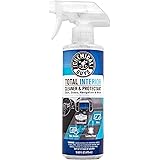
Chemical Guys, Total Interior Cleaner & Protectant, Leather & Vinyl, 16 oz | Cleans dashboards, seats, door panels, trim and glass in one step, leaving a fresh, streak-free, factory-style look
$11.97 (as of October 21, 2026 17:49 GMT -08:00 - More infoProduct prices and availability are accurate as of the date/time indicated and are subject to change. Any price and availability information displayed on [relevant Amazon Site(s), as applicable] at the time of purchase will apply to the purchase of this product.)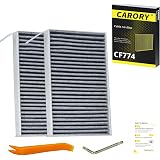
2PCS Cabin Air Filter with Activated Carbon for Tesla Model 3 (2017-2026), Model Y (2020-2026), OE# 1107681-00-A, CF12774, XC11952C, CF774
$16.99 (as of October 21, 2026 17:49 GMT -08:00 - More infoProduct prices and availability are accurate as of the date/time indicated and are subject to change. Any price and availability information displayed on [relevant Amazon Site(s), as applicable] at the time of purchase will apply to the purchase of this product.)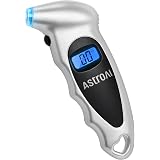
AstroAI Digital Tire Pressure Gauge 150PSI, ±1PSI Accuracy for Car Truck | Industrial Tire Gauge Calibrated to ANSI B40.7 with 4 Settings for Motorcycle Bikes, Silver
$6.99 (as of October 21, 2026 17:49 GMT -08:00 - More infoProduct prices and availability are accurate as of the date/time indicated and are subject to change. Any price and availability information displayed on [relevant Amazon Site(s), as applicable] at the time of purchase will apply to the purchase of this product.)
Valvoline MaxLife High Mileage 5W-30 Synthetic Blend Motor Oil 5 Quart | #1 High Mileage Motor Oil Brand, helps protect aging engines, reduce leaks and minimize oil consumption
$22.97 (as of October 21, 2026 17:49 GMT -08:00 - More infoProduct prices and availability are accurate as of the date/time indicated and are subject to change. Any price and availability information displayed on [relevant Amazon Site(s), as applicable] at the time of purchase will apply to the purchase of this product.)