Haedong Yonggungsa Temple (Busan)
 There was a show on Korean TV of a monk repaint the temples with paint made from flowers. One thing that you will notice when you go to the temples and palaces here, are the bright reds and greens painted everywhere! The show I was watching mentioned that the monks keep very strict records of when they paint/retouch these buildings because they redo any area that needs it every 50 to 100 years! It is amazing to me that paint made from the barest amount of materials can be that bright or that it can retain that color for such a long period of time! The temple was free to encourage people to come by, and to help the local economy dependent upon tourists.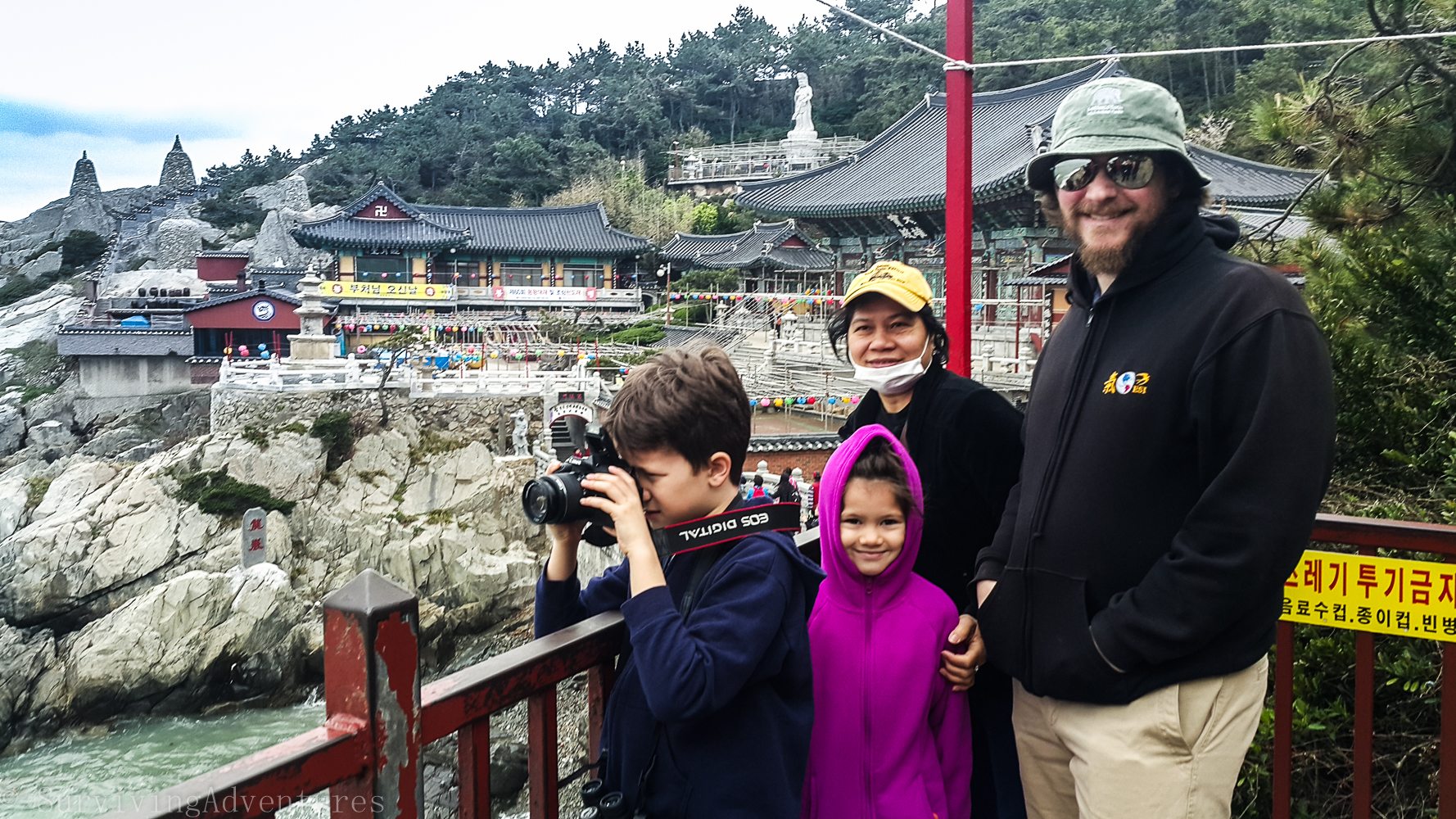
The Journey to the Temple
The temple is not too far by taxi from our hotel. I tried to survive the trip there by not getting car sick, with the winding roads and the speedy way the cab driver drove. It was hard. Thankfully, the air was fresh and brisk at our destination, so I felt better not long after leaving the cab. We were dropped off at the top of a hill with mini shops selling clothes, souvenirs, delicious smelling food etc. We by passed all of this to proceed to our destination which is the beautiful temple by the sea. Before we finally did get to the temple, we first passed by the Chinese animal zodiac statues, which were created to guard the path to the temple. We of course had to stop and take a pic with our animals. The final path leading to the temple was over large stone steps that go down pretty steeply. There were A LOT of steps. The Haedong Yonggungsa Temple was amazing to look upon where it sat by the sea! There were two paths to follow. One going left and one going straight. The one on the left took us to a place of worship a little bit away from the temple. The other path led us over a small bridge to the center of the temple, where we could see a massive golden Buddha above us. The small bridge we crossed had a ‘wishing bowl’ below which of course the kids wanted to throw coins in. So we all had to try! None of us were very good at throwing a coin into the bowl, but I would say we didn’t need it. We wished for a happy day with the family and we sure got it!
The Hotel
The biggest issue that we had while we were over here was finding an affordable hotel close to where we wanted to go. The hotel we stayed in was called the Agoda hotel and looks better in the picture than it really does in real life. For one thing it isn’t as big as it was being made out to be. The bed was like a rock, and the sheets felt incredibly dirty. There is really no place to sit in this hotel for more than 2 people other than on the bed. The best feature of this place was probably the bath tub though, which looked like it could fit 3 or more adults. Otherwise, this is not someplace we would go back to. This hotel did not look or feel very family friendly. This is definitely not someplace we would recommend staying. The whole time we were on this trip, Mary was also trying to work on her MBA classes which she tried to squeeze in anytime she could and not take away from the family time. Thank goodness the Starbucks was a 3-minute walk away! If ever you come to South Korea, we highly recommend that you visit this temple!!!
About Haedong Yonggungsa Temple
Most Korean Buddhist temples are tucked into mountain forests, following a tradition of finding spiritual sites in high, secluded places. Haedong Yonggungsa breaks that tradition entirely. Built directly on rocky coastal cliffs overlooking the East Sea, it is one of the very few seaside temples in Korea, which is exactly why it stands out. The combination of the dramatic cliff setting, the crashing waves below, and the vibrant red and green paintwork of the temple buildings creates something genuinely unlike any other temple complex in the country.
The temple was originally built in 1376 during the Goryeo Dynasty by the monk Naong. It was destroyed during the Japanese invasion of 1592 and rebuilt in 1930. The main hall is dedicated to Gwanseeum-bosal, the Bodhisattva of Compassion, and is considered particularly efficacious for prayers for children — which may explain the number of family visitors we noticed during our trip. The temple complex is free to enter, a deliberate policy to support the local community and encourage visitors.
The Chinese Zodiac Statues and the Path to the Temple
One of the highlights before you even reach the temple is the row of twelve Chinese zodiac animal statues lining the path down toward the sea. Each statue represents one of the twelve animals of the zodiac cycle, carved in stone and placed to guard the route to the temple. We stopped at each one to identify our own animals and take photos. The kids were immediately invested in finding theirs, which made the walk feel like a mini-adventure before the main event.
The path descends steeply via stone steps carved into the hillside. By Korean temple standards the walk is not long, but the steps are genuine and the gradient is enough to give pause if you have anyone in your group with mobility concerns. Comfortable shoes are a must. At the bottom, the first thing that hits you is the sound of the ocean — the East Sea right there, waves on black rocks, and the temple perched above it all.
The Wishing Bowl and the Small Bridges
At the entrance to the main temple complex, there is a wishing bowl in a pool below a small bridge. Visitors throw coins aiming for the bowl. If your coin lands in the bowl, tradition holds that your wish will be granted. We all had to try, naturally. Our success rate was not strong, but the kids were convinced our wishes would work anyway based on general effort. The stone bridge over the pool leads to the main buildings of the temple, and from that bridge you can see the full scope of the cliff-side setting for the first time — the sea to your left, the multi-story main hall ahead, and the sound of water everywhere.
Busan as a Destination: More Than the Temple
We came to Busan primarily for the beach and for the shark dive at the aquarium (we have a separate post about that). Haedong Yonggungsa was a last-minute decision, chosen because it was well-known and close to our hotel. It turned out to be one of the best decisions of the trip.
Busan itself is South Korea’s second largest city and arguably its most interesting after Seoul. The beaches at Haeundae and Gwangalli are excellent by any standard. Jagalchi fish market is one of the most entertaining markets in the country. Gamcheon Culture Village, a densely packed hillside neighborhood painted in bright colors (often called the Santorini of Korea), makes for a memorable afternoon of wandering. The food scene is exceptional, particularly for seafood and especially for dwaeji gukbap — pork and rice soup that is a Busan specialty and unlike anything in Seoul.
Getting There and Practical Tips
From Seoul, the fastest way to reach Busan is by KTX high-speed train from Seoul Station. The journey takes about 2 hours 15 minutes and tickets can be booked on the Korail website. Prices vary by seat class and how far in advance you book. We had a near-miss with the KTX on a previous trip that forced us onto a flight instead — which turned out to be cheaper and faster. Either way, Busan is very accessible as a weekend trip from Seoul.
From central Busan, the temple is accessible by taxi (about 30 to 40 minutes from Haeundae), local bus, or subway to Jangsan Station followed by a short taxi ride. The taxi driver brought us to the top of the hill near the souvenir shops, and we walked down from there. The whole journey through the souvenir section and down the stone steps to the temple and back up takes about 60 to 90 minutes at a relaxed pace.
- Wear comfortable shoes. Stone steps, coastal wind, and wet surfaces around the sea-facing parts of the temple make grip important.
- Go early or on a weekday. The temple gets busy, especially on weekends and holidays. Early morning is genuinely peaceful.
- Bring won in small bills. There are food and souvenir stalls along the path. Most do not accept cards.
- The temple faces east, which means sunrise visits are particularly beautiful if you can manage the early start.
What Made This Trip Special
We almost did not go to the temple at all. It was a last-minute decision made because we needed something to do and it came up as a top result for Busan attractions. Standing at the bottom of those stone steps looking up at the main hall against the sea, we were glad we did not overthink it. Some of the best travel moments are the ones you did not fully plan.
The temple visit also gave our Busan trip a natural balance: the shark dive at the aquarium for adrenaline and novelty, and Haedong Yonggungsa for something quieter and more reflective. The wishing bowl, the zodiac statues, the kids convinced their coin tosses would work — those are the kinds of small family memories that accumulate into something larger over the years of traveling together. If you are in Busan, do not skip this one because it looks like just another temple. It is not like any other temple in South Korea.
How Long to Spend at Haedong Yonggungsa Temple
Plan on 60 to 90 minutes for the full experience at a relaxed pace: walking through the souvenir section, descending the steps, exploring the zodiac statues, crossing to the main temple complex, spending time at the various shrines, wishing bowl attempt, and the walk back up. If you have younger children the steps require some attention but nothing the average healthy child cannot handle.
The temple is free, which is genuinely unusual for a major attraction of this caliber. This is a deliberate policy to support local tourism and the surrounding community. If you feel moved to contribute, there are donation boxes at the temple and purchasing from the local vendors on the path down is a meaningful way to leave something behind. The food stalls on the way down sell freshly fried snacks and tteok (rice cakes) that are worth trying. We bypassed them on the way down and regretted it on the way back up when the smell caught us again.
Haedong Yonggungsa Temple is the kind of place that changes your understanding of what a temple can be. We came to Busan for the beach and the sharks. The temple was the part we talked about on the train home. If you are in Busan, go. Go early, wear comfortable shoes, and bring coins for the wishing bowl. You do not need to get it in to have a good day, but it is more fun to try.
One last note on the hotel: the Agoda we stayed in was genuinely bad — rock-hard bed, sheets that did not inspire confidence, and a room that barely fit the family. If you are visiting Busan, there are far better options in Haeundae and near Gwangalli Beach at a range of price points. The bathtub was the best feature, which is not what you want to be saying about your accommodation. Research your Busan hotel more thoroughly than we did. The temple and the shark dive will be excellent regardless. The hotel is the variable you can control.

AstroAI Windshield Cleaner Tool & Car Interior Detailing Kit, Blue, 21 in | Non-Magnetic, Extra-Long Extendable Handle, 4 Reusable Microfiber Pads, Streak-free, Auto Glass Wiper Brush for Car & Home
$16.49 (as of October 21, 2026 17:49 GMT -08:00 - More infoProduct prices and availability are accurate as of the date/time indicated and are subject to change. Any price and availability information displayed on [relevant Amazon Site(s), as applicable] at the time of purchase will apply to the purchase of this product.)
HOMEXCEL Microfiber Cleaning Cloth 12 Pack, 12.5 x 12.5 inch Microfiber Towels for Cars, Ultra Absorbent Washing Cloth, Lint Free Streak Free Cleaning Rags for Car, Kitchen, and Window (Grey)
$5.98 (as of October 21, 2026 17:49 GMT -08:00 - More infoProduct prices and availability are accurate as of the date/time indicated and are subject to change. Any price and availability information displayed on [relevant Amazon Site(s), as applicable] at the time of purchase will apply to the purchase of this product.)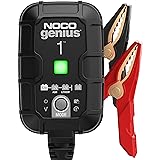
NOCO GENIUS1 1A 6/12V Smart Battery Charger, Trickle Charger & Maintainer | Overcharge Protection, Desulfator, Temperature Compensation, Force Mode, For Lead-Acid (Wet, Gel, AGM) & Lithium (LiFePO4)
$29.95 (as of October 21, 2026 17:49 GMT -08:00 - More infoProduct prices and availability are accurate as of the date/time indicated and are subject to change. Any price and availability information displayed on [relevant Amazon Site(s), as applicable] at the time of purchase will apply to the purchase of this product.)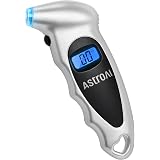
AstroAI Digital Tire Pressure Gauge 150PSI, ±1PSI Accuracy for Car Truck | Industrial Tire Gauge Calibrated to ANSI B40.7 with 4 Settings for Motorcycle Bikes, Silver
$6.99 (as of October 21, 2026 17:49 GMT -08:00 - More infoProduct prices and availability are accurate as of the date/time indicated and are subject to change. Any price and availability information displayed on [relevant Amazon Site(s), as applicable] at the time of purchase will apply to the purchase of this product.)