Nacho pizza!?!?! No this is not a “Dad” joke (no your pizza) that is a great one though.
I just got he GoPro Hero 6 and took it out for a test drive… no pun intended. This is a short post because of the video, if you want to watch more check out our YouTube channel. We have some other great foodie videos
What Is Korean Nacho Pizza?
Korean nacho pizza is exactly what the name suggests and simultaneously nothing like what you expect. It is a pizza topped with the flavors and textures of nachos: corn chips or a crispy chip-like crust layer, processed cheese sauce or melted shredded cheese, jalapeno slices, ground beef or pulled chicken seasoned in a Tex-Mex-adjacent style, salsa, and occasionally a drizzle of sour cream. The result is a hybrid dish that makes you wonder why the two foods were ever kept separate while also confirming that they were probably better that way.
Korean fast food pizza culture has always been comfortable with experimental toppings, as anyone who has encountered bulgogi pizza, sweet potato mousse pizza, or shrimp and pecan pizza at a local chain can confirm. The nacho pizza fits perfectly within this tradition of enthusiastic topping experimentation. It is bold, it is unapologetically fusion, and it creates a memorable first-bite moment regardless of whether that moment is one of delight or of surprised confusion.
The GoPro Hero 6 test drive that produced this video was a perfect pairing with the nacho pizza experience. Both the camera and the pizza were new, slightly experimental tools being put through their paces in real-world conditions. The GoPro performed admirably. The nacho pizza provoked strong feelings across the family that we will generously describe as a range of opinions.
Korean Pizza Culture: A Brief History
Pizza arrived in South Korea in the 1980s through American fast food chains and spread rapidly through the 1990s as the country modernized and consumer spending power increased. The major American pizza brands established a presence in Korea, but local competitors quickly emerged with menus adapted to Korean taste preferences and Korean willingness to treat pizza as a blank canvas rather than a fixed formula.
Mr. Pizza, launched in 1990, became one of the dominant local chains with a deliberate focus on Korean-flavored toppings and a restaurant atmosphere positioned as a dining destination rather than a quick-service stop. Pizza School, operating at the opposite end of the market, built a loyal following through extreme affordability and a no-frills approach that prioritized value and convenience. Between these poles, dozens of regional and national chains developed their own approaches to what Korean pizza could and should be.
The Korean pizza market today is one of the most innovative in the world, measured purely by the range of topping combinations available at any given time. Seasonal menus, limited-edition collaborations with Korean food trends, and the constant pressure to create photo-worthy dishes that spread through social media have produced a pizza culture that treats the medium as an opportunity for ongoing culinary experimentation rather than a product to be standardized and replicated with minimal variation.
Why Experimental Pizza Is Actually Worth Trying
The instinct when faced with a nacho pizza or a bulgogi and shrimp pizza is often to default to the familiar pepperoni and call it done. We understand that instinct. We have acted on that instinct ourselves more than once. But looking back on our time in Korea, the meals we remember most vividly are almost never the ones where we played it safe.
Trying something that sounds wrong forces your palate to work in a different way. You have to evaluate each element on its own merits rather than comparing it against a fixed expectation. Sometimes the result is that the unusual combination actually works in ways that make sense once you experience them. Sweet potato on pizza sounds odd until the sweetness plays against the salt of the cheese and you realize it is genuinely complementary. Corn and mayo on pizza sounds like a mistake until you taste it and understand why half of Korea puts it on everything.
Even when the combination does not quite work, the experience of trying it generates something valuable: a specific memory attached to a specific place. Years from now, the nacho pizza story is one we will still be able to tell. The exact version of a familiar dish from a franchise restaurant we have visited dozens of times is not.
How to Order Pizza in Korea Without a Translator
One of the practical challenges of eating at Korean pizza chains when you are a non-Korean speaker is navigating menus that may have limited or no English text. The good news is that Korean pizza chains have invested heavily in visual menu design, and the photographs on menu boards and in promotional materials are usually detailed enough to give you a clear picture of what you are ordering without needing to read the Korean text.
Point-and-order is a completely acceptable strategy at most Korean fast food establishments, and staff at pizza chains in particular are accustomed to serving international customers, especially near military installations. A confident point at the pizza you want, followed by holding up the number of fingers corresponding to your order quantity, will get you fed at any pizza counter in the country.
Learning a handful of Korean food terms goes a long way. Knowing how to say the word for cheese, cheese-uh in Korean pronunciation, or being able to identify the characters for spicy and not spicy on a menu gives you meaningfully more control over your order. Korean people respond warmly to any effort a foreigner makes to communicate in Korean, and even a small vocabulary of food terms will be met with genuine appreciation.
Most major Korean pizza chains now have apps with some degree of English interface, or at minimum have enough English labeling on the app to allow order placement with a bit of patience and trial and error. If you are living in Korea for an extended period, setting up an account and learning the app interface for your preferred delivery services is one of the most practical quality-of-life upgrades you can make early in your assignment.
Korean Fast Food vs. American Fast Food: What Military Families Notice
Military families who have lived OCONUS and then returned stateside often find themselves with specific observations about how food culture differs between their host country and the United States. Korea produces some of the most striking comparisons, particularly in the fast food category.
Korean fast food, including pizza, tends to arrive hotter and fresher than its American equivalent. Delivery culture in Korea is extraordinarily efficient, with delivery times that would be considered exceptional in the United States being standard expectations in Korean cities. The infrastructure supporting delivery, from the density of restaurants to the traffic systems that prioritize delivery vehicles, is simply more developed in Korea than in most American markets.
Portion sizes in Korea are generally smaller than American equivalents, but the food is often more densely flavored, which means the smaller portion satisfies more effectively than the size difference might suggest. Korean pizza slices are narrower and the crust is typically thinner than the American standard, which means you eat two or three slices and feel appropriately fed rather than overfull.
The side dish culture that accompanies Korean pizza orders adds significant value to the meal. Most chain deliveries in Korea include pickled radish cubes as a standard accompaniment, a sweet and slightly acidic palate cleanser that pairs remarkably well with fatty, cheesy pizza. It sounds like a strange pairing until you try it and realize it is probably the right way to eat pizza.
Using a GoPro for Korean Food Adventures
The GoPro Hero 6 test drive that produced the nacho pizza video opened up a new dimension of our Korea food documentation. Action cameras are ideal for food adventures because they are small enough to be unobtrusive in restaurant settings, durable enough to survive the occasional sauce splatter, and wide-angle enough to capture the context of a meal rather than just the food itself.
For families who want to document their overseas food experiences, an action camera provides a less formal, more spontaneous alternative to the carefully staged food photography that dominates social media. The video of a family actually eating, reacting honestly to flavors, making a mess of the nacho pizza toppings, and laughing at the results carries a kind of authenticity that a perfect overhead flat-lay photograph of a beautifully arranged dish simply cannot replicate.
Our YouTube channel became one of the best records of our time in South Korea precisely because the camera was always rolling when we were doing something interesting. The nacho pizza video is a small part of that archive, but it captures a real moment in a real place, which is exactly what these food adventures are ultimately about.
Korean nacho pizza: not what you expect, exactly what you need to try at least once, and a perfect excuse to take your GoPro to a pizza restaurant and see what happens. The food might surprise you. The footage will definitely be worth keeping.
Top Korean Pizza Chains Worth Visiting
If you are stationed in Korea or planning a visit and want to explore what Korean pizza culture has to offer beyond nacho pizza, here is a brief overview of the major chains and what makes each one distinctive.
Domino Korea is technically an international chain but operates with a significantly localized menu compared to its American counterpart. The Korean Domino locations offer toppings and menu items developed specifically for Korean tastes, and the delivery app experience is among the most user-friendly available in the Korean fast food market for international customers.
Pizza Hut Korea occupies a similar position: international brand, Korean menu adaptations. Their stuffed crust variations include sweet potato, cream cheese, and combinations that do not appear in any other market. The dipping sauces and side dish options are more extensive than in American locations, reflecting the Korean fast food culture of building a complete meal around the main item.
Mr. Pizza remains the flagship of Korean pizza culture with its famous Love for Women branding and a menu that has been continuously reinvented since the chain launched in 1990. Their seasonal offerings and premium topping combinations represent the most ambitious end of what Korean pizza is capable of being. A visit to Mr. Pizza is worth doing at least once for the sheer variety of the menu if nothing else.
Pizza School, at the opposite end of the market, delivers on its promise of affordable, fast, and satisfying pizza without pretension. If you need pizza on a weeknight budget and want something delivered quickly to your off-base apartment, Pizza School is the answer. Their menu is streamlined and their prices are exceptionally competitive for the quality they deliver.
The Legacy of Our Korea Food Videos
The nacho pizza video was one entry in a longer library of food videos we created during our time in South Korea. Looking back at that library now, what strikes us most is how accurately each video captures not just the food but the specific moment in time when it was made. You can hear the background noise of the restaurant, see the way the light was falling, notice which kids were most interested and which ones were already eyeing the exit. These are documents of a life being lived, not just a meal being eaten.
Military families accumulate stories at a rate that non-military families rarely match, simply because the pace of life and the variety of settings are so compressed. Two or three years in Korea generates more material than a decade in one stateside city, not because the days are more eventful but because so many of those days involve encountering something genuinely new for the first time.
The nacho pizza was one of those first times. We had never eaten a pizza with nacho toppings before that day. We have not eaten one since. It sits in memory as a specific, singular experience attached to a specific place and a specific season of family life. That is what makes it worth writing about, worth filming, and worth sharing. The pizza itself was fine. The story around it is the part that actually matters.
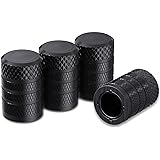
CKAuto Tire Valve Stem Caps, Aluminum Black, 4 pcs/Pack | Corrosion Resistant, Universal Stem Covers for Cars Trucks Motorcycles SUVs and Bikes
$5.99 (as of October 21, 2026 17:49 GMT -08:00 - More infoProduct prices and availability are accurate as of the date/time indicated and are subject to change. Any price and availability information displayed on [relevant Amazon Site(s), as applicable] at the time of purchase will apply to the purchase of this product.)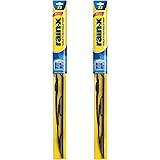
Rain-X 820149 WeatherBeater Wiper Blades, 22" Windshield Wipers (Pack of 2), Automotive Replacement Windshield Wiper Blades That Meet Or Exceed OEM Quality And Durability
$27.50 (as of October 21, 2026 17:49 GMT -08:00 - More infoProduct prices and availability are accurate as of the date/time indicated and are subject to change. Any price and availability information displayed on [relevant Amazon Site(s), as applicable] at the time of purchase will apply to the purchase of this product.)
2PCS Cabin Air Filter with Activated Carbon for Tesla Model 3 (2017-2026), Model Y (2020-2026), OE# 1107681-00-A, CF12774, XC11952C, CF774
$16.99 (as of October 21, 2026 17:49 GMT -08:00 - More infoProduct prices and availability are accurate as of the date/time indicated and are subject to change. Any price and availability information displayed on [relevant Amazon Site(s), as applicable] at the time of purchase will apply to the purchase of this product.)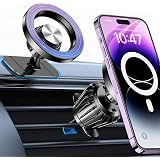
Kaistyle for Magsafe Car Mount【Strong Magnet】 Magnetic Phone Holder for Car Phone Holder Mount Dash Mounted Holders Phone Holders for Your Car Accessories for Women Men for iPhone 18 Pro Max 17 16 15
$9.98 (as of October 21, 2026 17:49 GMT -08:00 - More infoProduct prices and availability are accurate as of the date/time indicated and are subject to change. Any price and availability information displayed on [relevant Amazon Site(s), as applicable] at the time of purchase will apply to the purchase of this product.)