Today we ran some errands got some gas and went out to eat. Nacho pizza? Why not! Poor Lily decided to have noodles which turned out to be spicy, but she was a trooper.

While we were out we decided to have pizza for dinner tonight so we stopped at a pizza place that we have never been to before called Mr. Pizza. All I wanted was pepperoni but it was difficult to find here, and explain. Had to ask them and reiterate that that was all I wanted because some of their selections were:
- Bulgogi- this is stir-fried meat that has been marinated in a slightly sweet sauce. Now imagine this on your pizza.
- Bulgogi and shrimp
- Vegetarian with hash browns
- A concoction of some sort with bulgogi, shrimp, pineapple and shredded pecans and what looks like mayonnaise
- Romantic Combo- this one takes a little bit of explaining. During Valentine’s day this place, Mr. Pizza, was offering some of their pies Sweet pizza with pineapples, apples, nuts, raisins or craisins, etc.
If you are the adventurous type and want to try all sorts of different pizza combinations, or do some type of pizza challenge with your friends, then I recommend that you go to the nearest Mr. Pizza in South Korea if you go there. These flavors were a bit too adventurous for us. We wound up just buying a pepperoni

One of the pizza places we liked to go to while we were here was Pizza School. I, unfortunately, can’t find any of the pictures I took of this place so I borrowed one from Smileyjkl’s blog. Pizza School is fast, cheap and their pizzas were pretty good. It was also one of my go-to places because this place was close to us.
One thing that we are learning while here in South Korea is that there are very many different restaurants to visit with unique cuisine to try. I am sure that we will get more adventurous the longer we stay here. 🙂
Please like and share. Thank you. Check out Cheesy Ribs
Eating Pizza in South Korea: What to Expect
Pizza has been popular in South Korea since the 1980s, but what Korean pizza chains have done with the concept is almost entirely their own invention. American-style pizza, with its emphasis on tomato sauce, mozzarella, and familiar toppings, exists in Korea but sits alongside a parallel universe of sweet, savory, and deeply experimental pies that reflect local taste preferences and culinary creativity.
For American families living in Korea as part of a military assignment, the local pizza menu is one of the first and most memorable encounters with how different food culture can be even in a category that feels familiar. You walk into a place expecting something like home and walk out with a story about sweet potato mousse drizzled over a bulgogi and shrimp base. The adjustment requires an open mind, but the stories it generates are worth the occasional meal that misses your personal mark.
Mr. Pizza, founded in 1990, became one of the dominant pizza chains in Korea throughout the 1990s and 2000s with a branding strategy built around the slogan, Love for Women. Their menu reflected a deliberate effort to cater to Korean tastes rather than replicate an American model, which is exactly why their topping selections read so differently from what most American customers expect.
A Closer Look at the Mr. Pizza Menu
The toppings we described above, including bulgogi, shrimp, pineapple, shredded pecans, and what appeared to be mayonnaise-based sauce, are not outliers at a place like Mr. Pizza. They represent the standard approach to flavor building in Korean pizza culture. Here is a bit more context on each element.
Bulgogi is marinated beef or pork, typically grilled or stir-fried, with a sweet and savory flavor profile that comes from soy sauce, sugar, sesame oil, garlic, and Asian pear or apple used as a tenderizer. It is one of the most iconic Korean dishes and appears in many fusion applications across Korean cuisine. On a pizza, it provides a hearty, flavorful base that pairs well with both traditional and unexpected companions.
Sweet potato appears on Korean pizza in forms that range from chunks of roasted sweet potato to sweet potato mousse used as an alternative to tomato sauce. The natural sweetness of the vegetable works surprisingly well against the saltiness of cheese and meat toppings. Sweet potato-based Korean dishes are everywhere, and the pizza application is consistent with how Koreans generally use the ingredient across fast food and casual dining.
Mayonnaise appears on Korean pizza with a frequency that surprises most Western visitors. Korean mayonnaise has a slightly different flavor profile than its American counterpart, with more sweetness and less tartness. It is used as both a sauce base and a drizzle finish on many Korean fast food items including pizza, and once you adjust to the expectation, it makes more sense as a flavor component than it does on first encounter.
The Romantic Combo that we mentioned above, offered around Valentine Day, was exactly what the name suggests: a specialty pizza designed to appeal to couples. It featured a combination of premium toppings presented with an aesthetic flourish that is very much in keeping with Korean food culture, which places high value on presentation and seasonal or occasion-based menu items.
Pizza School: Fast, Cheap, and Surprisingly Good
Pizza School occupies the opposite end of the Korean pizza spectrum from Mr. Pizza. Where Mr. Pizza is a sit-down experience with an elaborate menu of fusion creations, Pizza School is a no-frills carry-out and delivery chain built entirely around affordability and speed. Their menu is straightforward, their portions are generous for the price, and their locations are numerous in residential neighborhoods throughout Korea.
For American military families on a budget, Pizza School became a reliable go-to. A large pizza at Pizza School was available at a fraction of the cost of comparable options from American chains operating in Korea. The quality is not fine dining, but the pizzas are fresh, hot, and comforting in a way that matters on a weeknight when you are tired and just want something familiar. The flavors lean more toward Western palates than the adventurous creations at Mr. Pizza, making it a safer choice for picky eaters and homesick kids.
The location proximity to our neighborhood made it especially convenient. Walking distance pizza at reasonable prices is a quality-of-life win regardless of what country you are in. We returned to Pizza School multiple times throughout our time in Korea, and it earned a permanent spot in our regular rotation alongside the Korean restaurants and food stalls we were gradually learning to love.
Exploring Korean Food Culture as a Military Family
Living overseas with the military is one of the most profound food education experiences a family can have. Every meal is an opportunity to understand a culture from the inside out. Food is not just sustenance in Korea. It is ceremony, community, and identity, and learning to navigate the local food landscape is one of the fastest ways to start feeling connected to a new place.
Korean cuisine as a whole is extraordinarily diverse. From the fermented depth of kimchi to the clean simplicity of doenjang jjigae, from the smoke and char of Korean barbecue to the delicate balance of a well-made bibimbap, the country has a culinary tradition that rivals any in the world. Pizza is just one small corner of it, but it is an accessible entry point for families who are still building their confidence with unfamiliar ingredients and preparation styles.
We learned early on that the best approach to eating in Korea was to say yes as often as possible. Yes to the dish with the unrecognizable ingredient. Yes to the street food vendor with the long line. Yes to the restaurant that had no English menu and required pointing and hoping. Most of the time, the result was something wonderful. Occasionally it was something challenging. Lily and her bowl of unexpectedly spicy noodles would be the first to confirm that not every yes leads to an easy meal. But it always leads to a memory worth keeping.
The kids became adventurous eaters during our time in Korea in ways that simply would not have happened if we had stayed near base and eaten at the same handful of American chain restaurants. Gabe discovered a love for tteokbokki, the chewy rice cakes in spicy sauce that are a staple of Korean street food. The girls developed opinions about different regional styles of Korean barbecue. These are not skills you can teach from a textbook. They come from showing up, sitting down, and eating whatever arrives at the table.
Tips for Ordering Pizza in South Korea
If you are stationed in Korea or planning a visit and want to navigate the local pizza scene with confidence, here are a few practical tips that will make the experience more enjoyable.
Look for the visual menu. Almost every pizza chain in Korea has a large backlit menu board with photographs of each pizza. Even if you cannot read Korean, the photos give you a clear enough picture of what you are ordering to make an informed choice. When in doubt, point at the one that looks least alarming and roll with it.
Learn a few basic Korean phrases. Being able to say the name of a topping or ask for no mayonnaise in Korean will take you surprisingly far. Korean service staff are generally patient and helpful with foreign customers, and making any effort to communicate in Korean is appreciated and often met with encouragement and smiles.
Try at least one fusion pizza before defaulting to pepperoni. The sweet and savory combinations that define Korean pizza are genuinely worth experiencing at least once, even if they end up not being your preference. The bulgogi pizza at most chains is a good starting point because the base flavors are familiar enough to make the overall package approachable for first-timers.
Check for combo meals. Korean pizza chains often bundle pizzas with side dishes like pasta, chicken wings, or potato wedges at significant savings over ordering each item separately. The side dishes are usually quite good and the combo format gives you more variety across the meal, which is especially useful when ordering for a family with different preferences.
Delivery culture in Korea is exceptional. If you are living off-base and want pizza delivered, the process is fast, accurate, and surprisingly inexpensive. Most chains have apps with English-language options that make ordering straightforward even without Korean language skills. Tipping is not customary in Korea, so the price you see is the price you pay.
The Bigger Picture: Food as Adventure
A trip to Mr. Pizza or Pizza School might seem like a small, ordinary thing. But for our family, every meal out in South Korea was part of a larger adventure in learning to live somewhere new. The pizza that had shrimp and pecans on it, the bowl of noodles that turned out to be way too spicy, the carry-out box from Pizza School that we ate sitting on the floor of our apartment because our furniture had not arrived yet: all of it is woven into the story of our time there.
Military families know this experience intimately. Every PCS brings a new set of restaurants to discover, a new local food culture to explore, and a new set of culinary memories to add to the family story. The willingness to try new things, including pizza with mayonnaise drizzle, is part of what makes a life lived across multiple countries and cultures genuinely rich. We are still learning. We are still eating. And we would not have it any other way.
If you ever find yourself near a Mr. Pizza or a Pizza School during a trip to South Korea, stop in. Order something unfamiliar. Bring the kids, let them point at the menu, and embrace whatever shows up. The pepperoni will always be there as a fallback. But the memory of trying something truly different is the one worth chasing.

AstroAI L7 Tire Inflator Portable Air Compressor,150 PSI Cordless Bike Pump | For Car Tires, Bikes, Motorcycles and Balls; Auto Shut-off, Digital Display Pressure Gauge, Fast Inflation, LED Light
$22.98 (as of October 21, 2026 17:49 GMT -08:00 - More infoProduct prices and availability are accurate as of the date/time indicated and are subject to change. Any price and availability information displayed on [relevant Amazon Site(s), as applicable] at the time of purchase will apply to the purchase of this product.)
AstroAI Windshield Cleaner Tool & Car Interior Detailing Kit, Blue, 21 in | Non-Magnetic, Extra-Long Extendable Handle, 4 Reusable Microfiber Pads, Streak-free, Auto Glass Wiper Brush for Car & Home
$16.49 (as of October 21, 2026 17:49 GMT -08:00 - More infoProduct prices and availability are accurate as of the date/time indicated and are subject to change. Any price and availability information displayed on [relevant Amazon Site(s), as applicable] at the time of purchase will apply to the purchase of this product.)
AIDEA Microfiber Cleaning Cloth-50PK, Microfiber Towels for Cars, 12"×12" | Premium Wash Cloths, Dusting Cloth Cleaning Rags, Absorbent Towels for SUVs, House, Kitchen, Window, Cleaning Supplies
$14.99 (as of October 21, 2026 17:49 GMT -08:00 - More infoProduct prices and availability are accurate as of the date/time indicated and are subject to change. Any price and availability information displayed on [relevant Amazon Site(s), as applicable] at the time of purchase will apply to the purchase of this product.)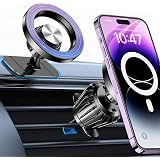
Kaistyle for Magsafe Car Mount【Strong Magnet】 Magnetic Phone Holder for Car Phone Holder Mount Dash Mounted Holders Phone Holders for Your Car Accessories for Women Men for iPhone 18 Pro Max 17 16 15
$9.98 (as of October 21, 2026 17:49 GMT -08:00 - More infoProduct prices and availability are accurate as of the date/time indicated and are subject to change. Any price and availability information displayed on [relevant Amazon Site(s), as applicable] at the time of purchase will apply to the purchase of this product.)