For two years, David commuted through Seoul, South Korea on a 2002 Harley Davidson Sportster 883. Not a scooter. Not a small displacement city bike. A Harley. In one of the most densely populated cities on the planet. This is a collection of those rides — raw footage from the commute, unfiltered Seoul traffic, and the experience of being a motorcyclist in a city of 35.5 million people where the rules of the road are treated more like suggestions.
The Commute That Started It All
This series started as a way to learn video editing and vlogging. David would mount a camera, ride to work or around the city, and then go home and try to figure out how to turn raw footage into something worth watching. The early videos are rough. The editing is basic. But the riding is real, and the city in the background is completely authentic Seoul.
Looking back at these videos now is almost like watching a time capsule. The Seoul you see from the seat of that Harley — the traffic, the expressways, the side roads threading between apartment blocks — is the everyday city that most tourists never see. This is not the polished version from the travel brochures. This is Seoul from 60 miles per hour at rush hour.
What It Is Actually Like to Ride a Motorcycle in Seoul
Seoul is not a motorcycle-friendly city in the way that Ho Chi Minh City or Bangkok is. It is a car city, heavily infrastructure-built around four and six lane roads and an extraordinarily good subway system. Motorcycles in Seoul exist primarily as delivery vehicles — the legion of riders on small scooters who keep the city fed and supplied — and as vehicles for a small community of enthusiasts who ride for the love of it.
Riding a Harley Davidson through Seoul puts you in a very specific category: obviously foreign, obviously riding for enjoyment rather than necessity, and visually conspicuous in a way that a scooter is not. The Harley sound cuts through Seoul traffic in a way that gets attention. People look. Taxi drivers make eye contact at red lights. The bike becomes a conversation starter at every stop, and the HD community in Korea, while small, is genuinely passionate and welcoming.
The traffic itself requires a different mental model than riding in the United States. In the US, road rules are generally followed and other drivers behave in reasonably predictable ways. In Seoul, the rule is: stay alert, expect anything, and never assume that a lane marking or traffic signal means the same thing to the person in the next lane that it means to you. Buses merge without signaling. Taxis stop suddenly in travel lanes to drop passengers. Scooter delivery riders travel in whatever direction is fastest, including against traffic. The chaos is real, and adapting to it is what makes city riding in Seoul genuinely engaging rather than just stressful.
The Bike: A 2002 Harley Davidson Sportster 883
The choice of a Sportster 883 for Seoul city riding turns out to be an excellent one in practice. The 883 is the smallest displacement Harley in the lineup — which in Seoul terms means it is still larger than almost every other motorcycle on the road, but small enough to filter through traffic gaps that a bigger Harley could not navigate. The lower weight compared to touring models makes it more maneuverable in stop-and-go conditions, and the upright seating position gives good visibility over car rooftops in dense traffic.
By the time the 8,000-mile mark hit on the odometer, the bike had accumulated two years of Seoul commute hours on its engine. The Harley Davidson dealer community in Korea is small but well-established, with a dealership in Itaewon — the neighborhood historically associated with the US military presence and foreign expat community — that services American bikes and sells HD merchandise. Harley events and group rides happen regularly, and meeting other HD riders in Seoul was one of the consistent pleasures of commuting by motorcycle in the city.
The Phone Drop at 60 MPH
One of the most memorable moments from two years of Seoul commuting was the phone drop. Traveling at 60 miles per hour on a Seoul expressway, the phone came loose and dropped — and somehow, instead of disappearing under the wheels of following traffic, it wedged between the boot and the frame of the bike. The fact that it did not become road debris at highway speed is the kind of luck that Seoul riders talk about afterward and do not repeat. Phone mounts were upgraded immediately after that incident.
Small incidents like this are part of the texture of extended urban motorcycle commuting. Over two years, the list includes close calls with taxi doors, a memorable wrong-way scooter at an intersection, and more than a few moments of Seoul traffic that made for good video and even better stories. The city is relentless and unforgiving in the way that only true mega-cities are, and learning to ride in it requires a calibration that takes months to develop fully.
Tips for Riding a Motorcycle in South Korea
- Get an International Driving Permit before you go. You will need one to ride legally in South Korea. The process is simple in the US through AAA.
- Study Korean traffic law. Korea has specific rules around lane splitting, expressway access for motorcycles, and helmet requirements that differ from US regulations.
- The HD dealer is in Itaewon. For parts, service, or just meeting other HD riders in Seoul, the Itaewon dealership is the hub of the Harley community in Korea.
- Expect the unexpected. Situational awareness is the single most important skill for Seoul city riding. Everything moves faster and more unpredictably than you are accustomed to at home.
- Light traffic windows are early morning. Rush hour in Seoul on a motorcycle is an education; early Saturday morning is a genuine pleasure by comparison.
- The roads are well-maintained. Despite the traffic intensity, Seoul roads are generally in excellent condition. Potholes and road surface issues are far less common than in comparable US cities.
Why Ride in Seoul at All?
The subway system in Seoul is objectively one of the best in the world. Clean, fast, reliable, inexpensive, and comprehensive in its coverage. Any rational analysis of commute options would put the subway at the top for almost every destination in the city. So why ride?
The answer is the same answer that motorcycle riders give everywhere: because it is the most alive you feel in a city. Seoul from the seat of a Harley is a completely different experience from Seoul through a subway window. You are in it rather than moving through it. The heat in summer, the cold in winter, the smell of food from restaurants on side streets, the sound of the city at speed — none of that comes through glass and climate control. Riding a motorcycle in Seoul is uncomfortable, demanding, occasionally terrifying, and completely irreplaceable as an urban experience. David would do it again without hesitation.
Looking Back at the Footage
These videos were made when David was first learning to film and edit. The quality evolved significantly over two years, but the value of the early footage is not in the production quality — it is in the authenticity of what it captured. Seoul shot from a moving Harley at street level is a document of a specific time and place that becomes more interesting with distance. The city changes fast. Some roads and intersections in these videos look different today. The neighborhoods shift. The skyline adds new towers every few years.
For anyone who has lived in Seoul, these videos will be immediately recognizable and probably nostalgic. For anyone who has never been to Seoul, they offer a view of the city that almost no travel content captures: the unglamorous, high-speed, real daily texture of life in the biggest metropolitan area in South Korea. That is what the Harley commute gave back, above and beyond the ride itself.
Riding as a Servicemember in South Korea
David was stationed near Seoul as a US military servicemember during this period, and the experience of motorcycling as an active duty service person in a foreign country comes with its own specific set of considerations. The military has guidelines and in some cases restrictions on personal vehicle use off-base, and motorcycles occupy a particular category in those guidelines. Before purchasing the Harley and beginning the Seoul commute, David went through the proper safety course and registration process required for military personnel operating personal motorcycles overseas. This is worth noting for any servicemember reading this who is thinking about bringing or buying a motorcycle in Korea: do your paperwork, take the course, and make sure your chain of command is aware. The rules exist for good reasons and the consequences of not following them are significant.
Beyond the administrative side, riding as a US servicemember in Seoul gives you a particular vantage point on the city. The areas around US military installations sit at the intersection of Korean urban life and American military culture, and navigating that geography on a motorcycle — from the gates of the base out into the flow of Seoul traffic — is a daily demonstration of how differently the two cultures approach the road and everything around it. The commute was never routine. Two years in, it was still interesting every single day.
Gear and What to Wear Riding in Seoul
Korean summers are hot and humid in a way that makes full gear feel genuinely brutal in July and August. The temptation to ride without a jacket in 35-degree Celsius heat with 80 percent humidity is real and understandable. The correct answer, as always, is to wear the gear anyway. Mesh riding jackets designed for hot weather exist specifically for this situation and make the experience significantly more bearable without compromising protection. Full-face helmets are required by Korean law, so that decision is made for you.
Korean winters are correspondingly cold and can be icy. Seoul sits at a latitude similar to New York City and gets genuine winter weather with temperatures regularly dropping below freezing. Riding through a Seoul winter requires serious cold-weather gear: heated gloves or hand guards, a thermal underlayer, and a windproof outer shell. The winter riding footage in this series captures a side of Seoul that most people only experience from inside heated cars and subway cars, and watching it in hindsight gives a good sense of just how committed the commute-by-Harley decision really was.
The Harley Davidson Community in South Korea
The HD Owners Group (HOG) chapter in Seoul is active and welcomes both Korean and foreign members. Organized rides happen regularly on weekends, taking routes out of the city into the surrounding countryside where the roads open up and the Harley sound system can actually be appreciated without immediately being absorbed by the traffic noise of a 10 million-person city. If you are in Seoul with a motorcycle and want to connect with other riders, the HOG chapter is the fastest way to do it. Events are listed on social media and at the Itaewon dealership bulletin board.
Korean motorcycle culture more broadly has been growing steadily as incomes have risen and disposable spending on recreational vehicles has expanded. The HD brand in particular carries significant aspirational status in Korea — partly for the same reasons it does in the US, and partly because of the long association between Harley Davidson and the American military presence in the country. When David rode past on the Sportster, the reaction from Korean riders at stop lights was consistently positive. The bike was recognized, appreciated, and occasionally photographed by strangers at intersections. It was, in that sense, the perfect ambassador for showing up in Seoul as an American who loves motorcycles.
If you are a motorcycle rider who finds yourself stationed in or moving to South Korea, the two-word answer to whether you should ride in Seoul is: absolutely yes. The city will push your riding skills further in six months than most US riders develop in years of open-road riding. The density, the unpredictability, and the sheer concentration of variables on a Seoul road at rush hour create a riding environment that is demanding in the best possible way. The footage does not fully capture it. The only way to fully understand it is to ride it yourself.
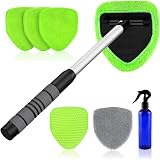
XINDELL Interior Windshield Cleaner Tool – Car Interior Window Cleaning Kit with Extendable Handle & 4 Microfiber Pads, Auto Wiper Inside Compact Windshield Brush for Car & Home Windows
$17.69 (as of October 21, 2026 17:49 GMT -08:00 - More infoProduct prices and availability are accurate as of the date/time indicated and are subject to change. Any price and availability information displayed on [relevant Amazon Site(s), as applicable] at the time of purchase will apply to the purchase of this product.)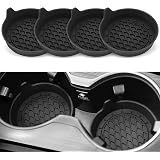
SINGARO Car Cup Holder Coaster, Silicone Cup Holder Insert, Universal Non-Slip Cup Holders, Car Accessories Interior for Women and Man Interior Sets 4 Pack Black
$6.99 (as of October 21, 2026 17:49 GMT -08:00 - More infoProduct prices and availability are accurate as of the date/time indicated and are subject to change. Any price and availability information displayed on [relevant Amazon Site(s), as applicable] at the time of purchase will apply to the purchase of this product.)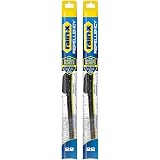
Rain-X 810363 Repellency Water Repellent Wiper Blades, 22" & 22" (2 Pack) | Premium Water Repellent Beam Blade, All-Weather Streak-Free Wipe, Enhanced Visibility, Universal Adapter, Amazon Exclusive
$39.42 (as of October 21, 2026 17:49 GMT -08:00 - More infoProduct prices and availability are accurate as of the date/time indicated and are subject to change. Any price and availability information displayed on [relevant Amazon Site(s), as applicable] at the time of purchase will apply to the purchase of this product.)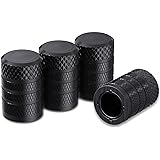
CKAuto Tire Valve Stem Caps, Aluminum Black, 4 pcs/Pack | Corrosion Resistant, Universal Stem Covers for Cars Trucks Motorcycles SUVs and Bikes
$5.99 (as of October 21, 2026 17:49 GMT -08:00 - More infoProduct prices and availability are accurate as of the date/time indicated and are subject to change. Any price and availability information displayed on [relevant Amazon Site(s), as applicable] at the time of purchase will apply to the purchase of this product.)